Skip to Content

Revenue attribution · Offline conversions · Call tracking

See which campaign produced which customer, all the way to revenue.

Call tracking, CRM pipeline stages and offline conversion imports that teach Google and Meta to find more of your best customers, not more form fills.

  • Works with your CRM
  • No personal data sent to ads
  • You own the data
  • +567%phone calls a month after the rebuild, Toronto window cleaning
  • −57%cost per conversion once bidding learned from booked consults
  • 50+GTM accounts with call and offline tracking
+567%phone calls per monthEZ Windows Cleaning, after call tracking and the rebuild
Revenue attribution: clicks become calls and forms, qualified leads, bookings, show-ups and customers with revenue, each tracked as its own event and the outcomes sent back to the ad platforms.

What is offline conversion tracking?

Offline conversion tracking sends outcomes that happen after the click, such as a booked appointment, a signed contract or a sale, from your CRM back to Google Ads or Meta. Their bidding then optimizes for real customers instead of form fills.

Most marketing reports stop at the lead. But a lead that never books, never shows or never buys isn’t a result, and an ad platform that is told it is will happily buy more of them.

Offline conversion imports (Google calls them offline conversion imports) close that loop: what happened in your CRM goes back to the platform that bought the click.

  1. Capture the click ID: gclid, wbraid or fbclid is stored with each lead.
  2. Track every call: dynamic numbers tie calls to campaigns and keywords.
  3. Map your pipeline: CRM stages become conversion events.
  4. Send outcomes back: booked, showed and won, with values, and no personal details.
  5. Report cost per customer: by campaign, keyword and channel.

Cost per lead is where most reporting stops, and where most waste hides.

Two campaigns can show the same cost per lead while one produces customers and the other produces wrong numbers and price shoppers. Without attribution past the lead, you can’t tell them apart, and neither can the ad platform.

We connect ad clicks to qualified inquiries, appointments, show-ups, customers and revenue, then send those outcomes back so bidding optimizes for real value.

  • Calls with no source

    Phone leads are often the best leads, and the least tracked. Without call tracking, they look like “direct”.

  • A CRM that never talks to the ads

    Sales close in your CRM; the ad platform never hears about it and keeps optimizing for form fills.

  • Budget set by cost per lead

    The cheapest leads win budget even when they rarely buy.

What’s included in revenue attribution

Set up inside your own accounts and CRM, documented, and reported monthly against cost per customer.

  • Dynamic call tracking

    Numbers swapped by source, with keyword-level attribution and qualified-call rules.

  • Click ID capture on every form

    gclid, wbraid, gbraid and fbclid stored with the lead in your CRM.

  • CRM pipeline stages mapped to conversions

    Qualified, booked, showed and won become events with values.

  • Offline conversion imports

    Scheduled uploads to Google Ads and Meta, with no names, conditions or treatment details.

  • Cost per stage reporting

    Cost per qualified lead, appointment, new customer and revenue, by campaign.

  • LTV to CAC and blended ROAS dashboards

    Looker Studio views your finance team will trust.

What does a customer actually cost you?

Cost per lead hides the leaks between the form and the sale. Enter your own numbers to see what each stage really costs.

The formula

Cost per customer = monthly ad spend ÷ (leads × qualified rate × booking rate × close rate).

Example: $10,000 a month producing 200 leads at $50 each, with 60% qualified, 50% booked and 40% closing, means 24 customers at about $417 each, more than eight times the cost per lead.

$
leads
%
%
%
Cost per lead$50.00
Cost per qualified lead$83.33
Customers per month24
Cost per customer$417
Get my attribution audit 

What an offline conversion sends, and what it never sends

An offline conversion needs only a click identifier, a conversion name, a time and, optionally, a value. Nothing about who the customer is, or why they bought, needs to leave your CRM.

Offline conversion data, field by field
FieldSent?Why
Click ID (gclid, wbraid, fbclid)YesLinks the outcome to the ad click
Conversion name (for example booked_consult)YesTells the platform which stage happened
Conversion timeYesKeeps attribution windows accurate
ValueOptionalLets bidding favor higher-value customers
Name, email, phoneNo, unless hashed and consented for enhanced matchingNot needed for attribution
Condition, treatment or notesNeverHealth details never leave your CRM

For healthcare clients this design keeps protected health information out of ad platforms entirely.

Attribution that changed the decisions

When the ad platforms could see real outcomes, the results followed.

Local servicesGoogle Ads + landing pageToronto, Canada

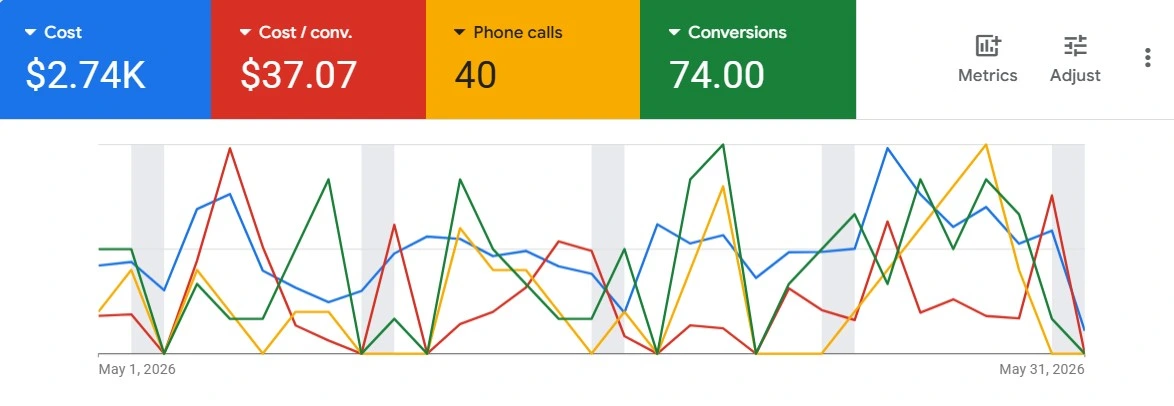
EZ Windows Cleaning (Toronto) cut cost per conversion 49% and tripled conversions in one month.

Cost per conversion −49%
Before$72.82
After$37.07
Conversions per month 3.1×
Before24
After74
Phone calls per month +567%
Before6
After40
  • Campaigns restructured around high-intent window and gutter cleaning searches, with geo and negative-keyword discipline
  • A dedicated landing page with the customer’s problem first, local trust signals and call or form paths
  • GA4, GTM and call tracking rebuilt, so bidding learned from real calls and form fills
Read the EZ Windows Cleaning case study 

Google Ads dashboard for EZ Windows Cleaning in Toronto after the account rebuild by Impact Brains
Google Ads results in the first month after the rebuild.
−57%
Healthcare · Google Ads

Facial plastic surgery practice, Washington, D.C.

Procedure-level campaigns, a dedicated consult page and tracking that separated calls, forms and booked consults cut cost per conversion from $141.68 to $61.12 while conversions grew from 34 to 99.

Read the case study 
50+
Tracking · 12+ industries

50+ Google Tag Manager accounts across 9 countries

GA4, GTM, 9 server-side containers, Meta Conversions API, TikTok Events API, call tracking and offline conversions, maintained across healthcare, home services, e-commerce, B2B and more.

See the tracking portfolio 

See all case studies 

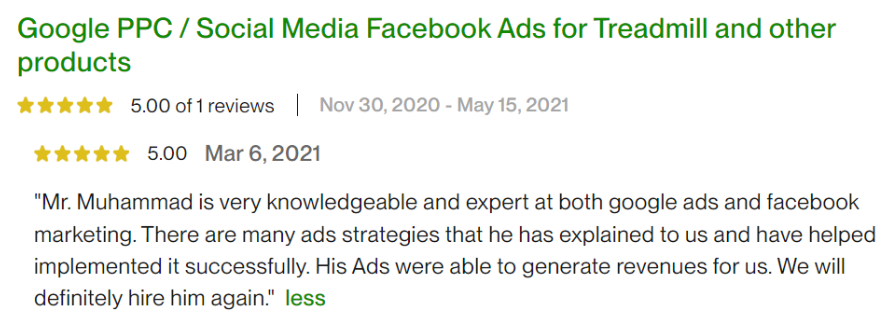
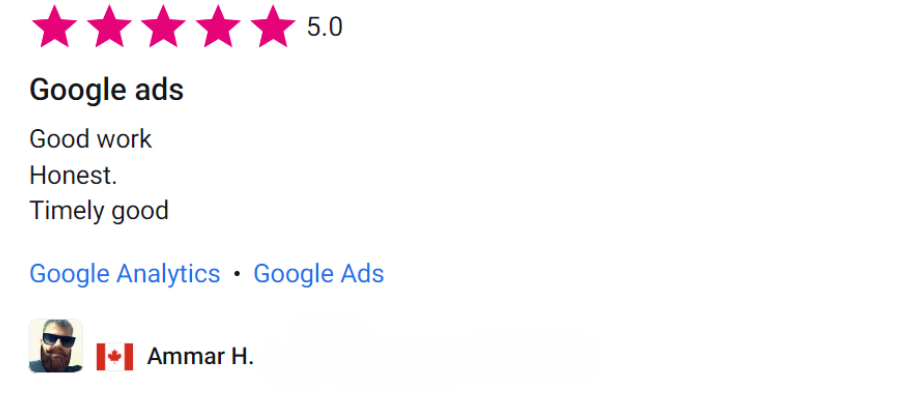
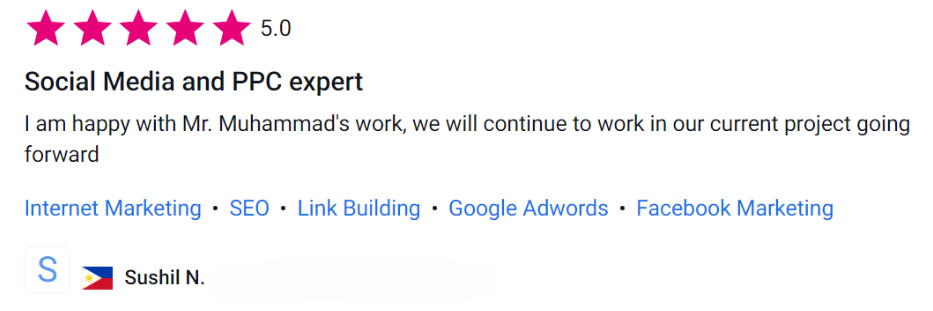
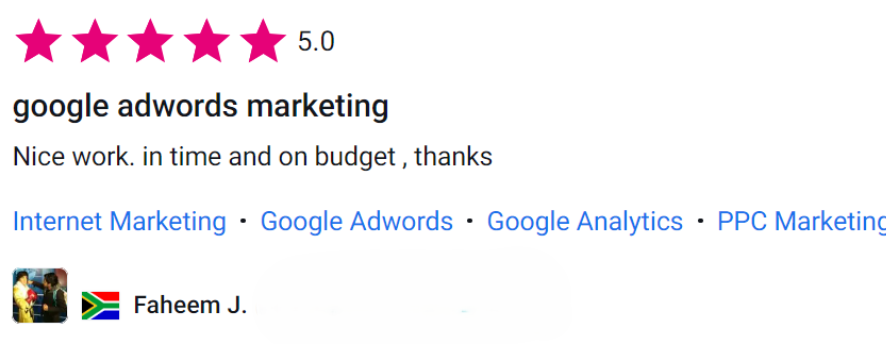
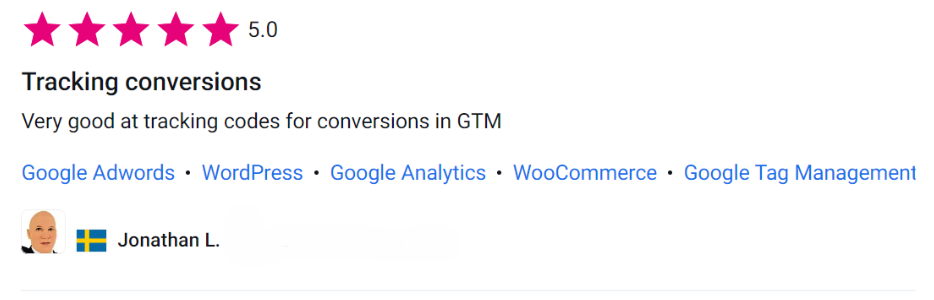
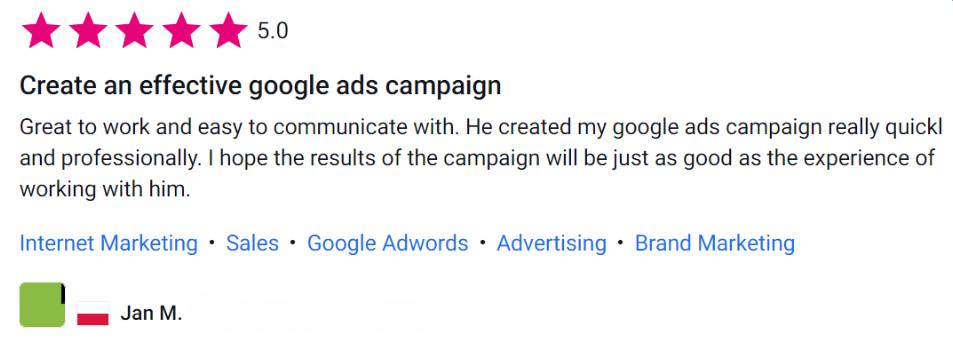
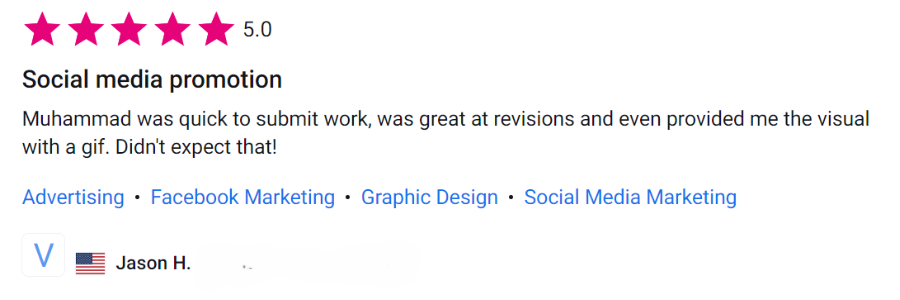
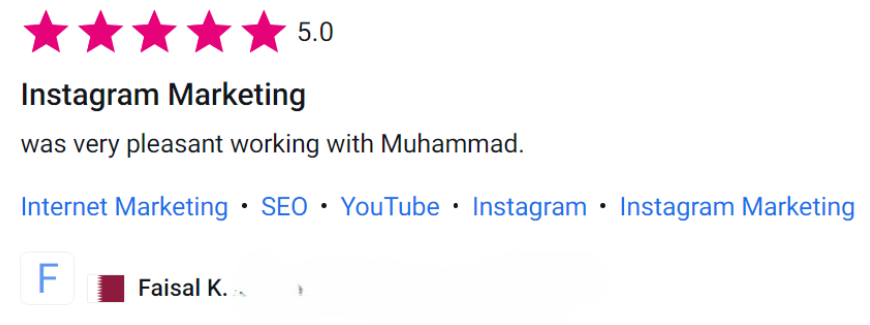
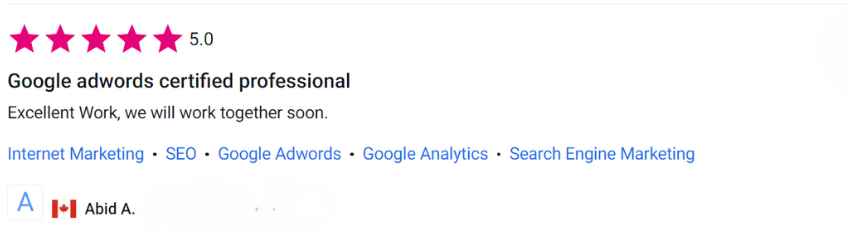
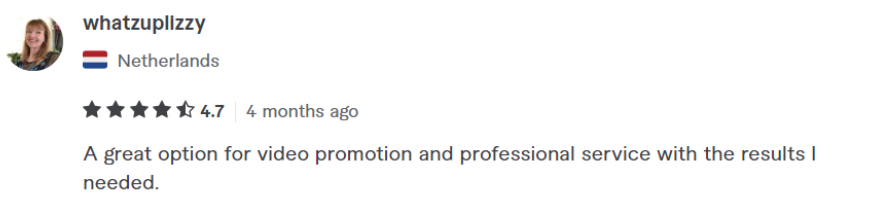
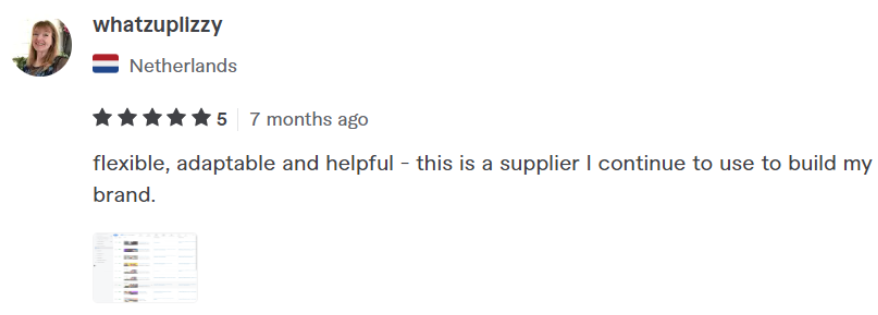
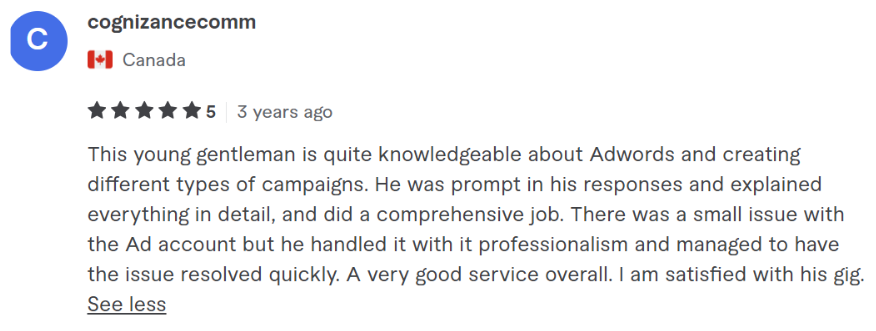
What clients say after the system goes live

Unedited feedback from the practices, service businesses and brands we build and run systems for.

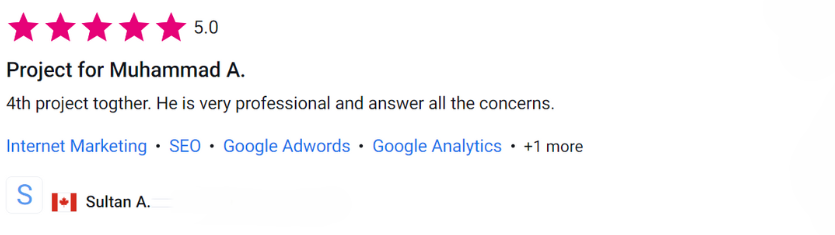
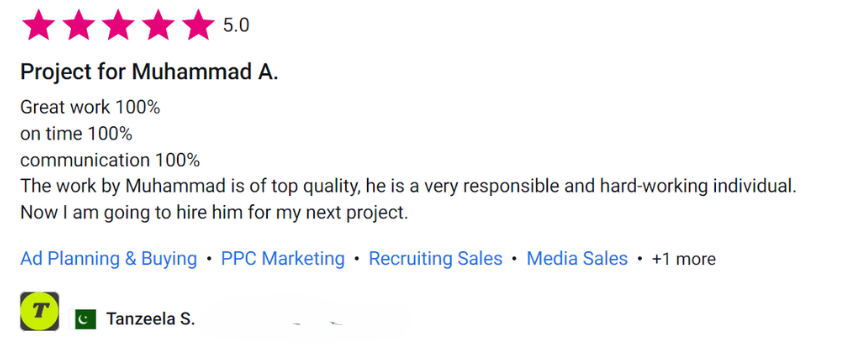
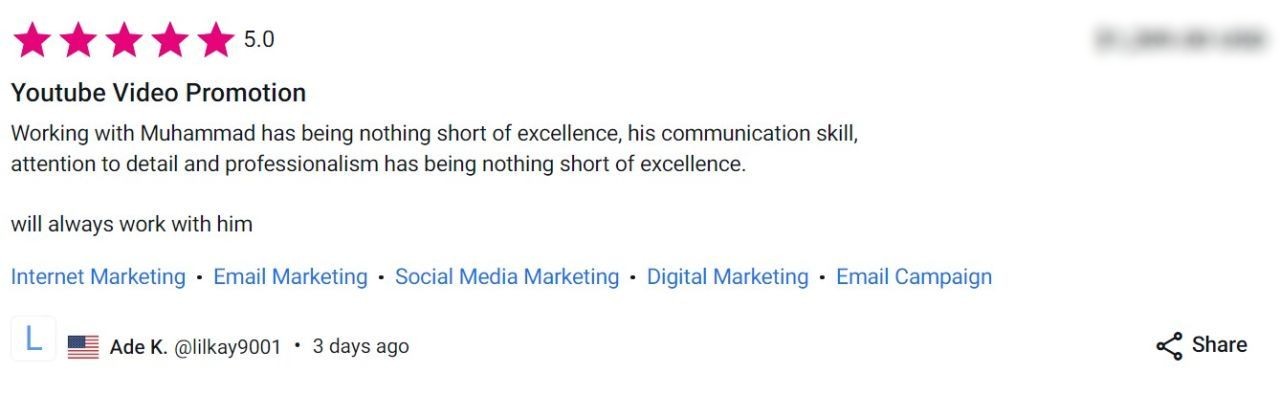
Client review of Impact Brains, screenshot 1 of 22
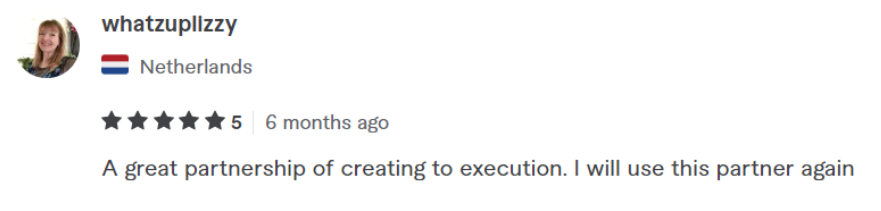
Client review of Impact Brains, screenshot 2 of 22
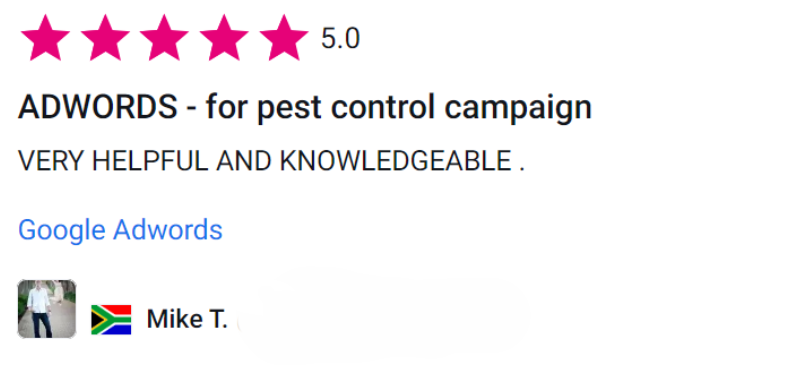
Client review of Impact Brains, screenshot 3 of 22
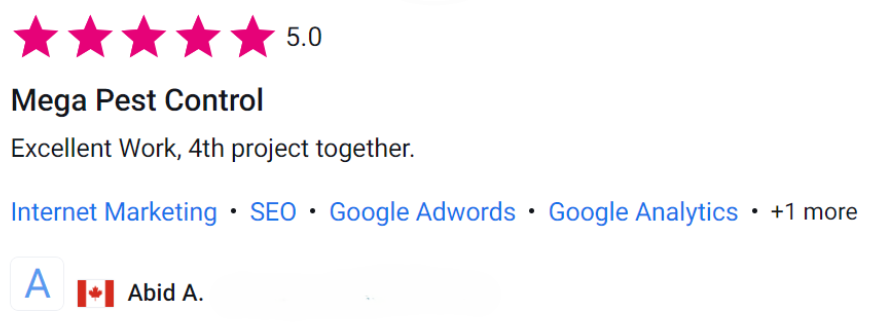
Client review of Impact Brains, screenshot 4 of 22
Client review of Impact Brains, screenshot 5 of 22
Client review of Impact Brains, screenshot 6 of 22
Client review of Impact Brains, screenshot 7 of 22
Client review of Impact Brains, screenshot 8 of 22
Client review of Impact Brains, screenshot 9 of 22
Client review of Impact Brains, screenshot 10 of 22
Client review of Impact Brains, screenshot 11 of 22
Client review of Impact Brains, screenshot 12 of 22
Client review of Impact Brains, screenshot 13 of 22
Client review of Impact Brains, screenshot 14 of 22
Client review of Impact Brains, screenshot 15 of 22
Client review of Impact Brains, screenshot 16 of 22
Client review of Impact Brains, screenshot 17 of 22
Client review of Impact Brains, screenshot 18 of 22
Client review of Impact Brains, screenshot 19 of 22
Client review of Impact Brains, screenshot 20 of 22
Client review of Impact Brains, screenshot 21 of 22
Client review of Impact Brains, screenshot 22 of 22

Read the full case studies 

How we close the loop

Attribution is the A in the IMPACT Marketing System™: the layer that tells every other layer what worked.

  1. Insight

    Audit

    Week 1

    Where leads come from today, where the trail goes cold, and what your CRM already knows.

  2. Attribution

    Capture

    Weeks 1–2

    Call tracking, click ID capture and consistent lead sources on every form.

  3. CRM

    Map the pipeline

    Weeks 2–3

    Stages and values defined with your team, then mapped to conversion events.

  4. Attribution

    Import

    Weeks 3–4

    Scheduled offline conversion uploads to Google Ads and Meta, verified in each platform.

  5. Tuning

    Report & bid

    Ongoing

    Cost per customer by campaign, and bidding pointed at the stage closest to revenue.

Bidding usually needs a few weeks of imported outcomes before it shifts; we report from day one.

See Google Ads management 

Why attribution is where we start

Every agency can report clicks. We build the plumbing that shows which clicks became customers, and we let that, not opinion, move the budget.

  • Measured to customers

    Calls, forms, bookings, show-ups and sales tracked separately, so budget follows customers.

  • Privacy by design

    Click IDs and stage names leave the CRM; personal and health details never do.

  • Ads and CRM in one team

    The people who build your pipeline also run your campaigns, so nothing is lost in a handoff.

  • You own everything

    Ad accounts, analytics, Tag Manager, pages and data stay in your name. Clean handover, any time.

Revenue attribution for businesses where every lead has a dollar value

Same discipline, tuned to how your customers decide and what one customer is worth.

  • Healthcare & aesthetics

    Compliant campaigns, trust-first pages and tracking that follows a click to a booked consultation without exposing patient data.

    Healthcare marketing 
  • Local & home services

    Call-first campaigns for HVAC, pest control, plumbing, roofing and cleaning, measured in booked jobs.

    Local lead generation 
  • E-commerce & DTC

    Feed-first Shopping, creative testing and server-side purchase tracking, measured in contribution margin.

    E-commerce growth 
  • B2B & manufacturing

    Procurement-ready pages and pipeline-weighted bidding for dealers, distributors and manufacturers.

    See a B2B result 

Revenue attribution questions, answered

What is offline conversion tracking?

Offline conversion tracking sends outcomes that happen after the click, such as a booked appointment, a signed contract or a sale, from your CRM back to Google Ads or Meta, so their bidding optimizes for real customers instead of form fills.

Can offline conversions be used in healthcare?

Yes, if they carry no protected health information. We send only a click ID, a conversion name, a timestamp and optionally a value, never names, conditions or treatment details.

Which CRMs can you connect?

HubSpot, GoHighLevel, Salesforce, Pipedrive, Zoho and Odoo, plus spreadsheets or practice-management exports when there’s no API.

How is call tracking set up?

Dynamic numbers are swapped on your site by traffic source, calls forward to your existing line, and calls that meet your qualifying rules (often 60 seconds or more) count as conversions.

How long until bidding improves?

Platforms need a steady flow of imported outcomes, usually a few weeks, before smart bidding shifts toward them. Reporting by cost per customer starts on day one.

Free attribution audit

Find out which campaigns really produce customers.

Within two business days you’ll get a recorded walkthrough of where your lead trail goes cold, from click to CRM, and the three fixes that will show cost per customer by campaign.

  1. Tell us about your funnelTwo minutes. Which ads, which CRM, how sales close.
  2. Get your recorded auditCall tracking, click IDs, CRM stages and imports.
  3. Decide with a planA fixed-scope quote. Keep the audit either way.
+567%phone calls per month for EZ Windows Cleaning, once calls were tracked and the account rebuilt

Request your free attribution audit

Three required fields. We’ll take it from there.

Free and no obligation. See our privacy policy.

Prefer to talk it through?

Book a 30-minute strategy call with our senior team, led by Dr. Muhammad Abdullah. Bring your numbers and your goals, and leave with a clear next step.

Loading the booking calendar…
If it doesn’t appear, open the calendar in a new tab.