Facial plastic surgery practice, Washington, D.C.
Procedure-level campaigns, a dedicated consult page and tracking that separated calls, forms and booked consults cut cost per conversion from $141.68 to $61.12 while conversions grew from 34 to 99.
Free tool · Healthcare
Follow one month of spend from lead to booked appointment to new patient. See where the cost really sits, your fully loaded patient acquisition cost (PAC) and whether your LTV-to-PAC ratio leaves room to grow.
Your patient acquisition costone month of numbers
Example numbers. Replace them with one month of your own data from your ad accounts, phone system and practice software.
Divide total marketing spend in a period by the number of new patients acquired in the same period. Include ad spend, agency fees and software for a fully loaded PAC. $8,000 in ads plus $2,500 in fees, producing 30 new patients, is a fully loaded PAC of $350.
Cost per lead counts inquiries; patient acquisition cost counts patients. A channel can have a cheap lead and an expensive patient if its leads rarely book or show up.
That’s why the calculator follows the whole path. The stage where cost jumps the most is the stage to fix first.
Read the costs from top to bottom. The biggest jump between two stages is your biggest leak.
A big jump means wrong-fit leads: out-of-area, wrong service, price shoppers or spam. Fix targeting, keywords and form questions.
A big jump means slow or inconsistent follow-up. Speed-to-lead and a clear booking path usually fix it fastest.
A low show rate is a reminder problem. Automated confirmations and reminders by text and email recover most of it.
The true cost of a new patient. Use it, not ad-only PAC, when you judge whether marketing pays.
How many dollars of patient value each acquisition dollar returns. Below 3 : 1, growth gets tight; below 1 : 1, each new patient loses money.
The most you can pay for a new patient and keep a 3 : 1 ratio. If your PAC is above it, improve conversion before adding spend.
Lifetime value should be gross profit over the years a patient stays, not total billings. The 3 : 1 line is a common planning rule, not a law; practices with high-margin treatments can run lower.
There is no reliable public benchmark for patient acquisition cost. There is one for cost per lead: LocaliQ healthcare search advertising benchmarks puts the median healthcare search lead at $66.02, across 3,542 US campaigns from October 2024 to September 2025. Your PAC is that cost divided by how many leads become patients.
| Specialty | Cost per lead | Conversion rate |
|---|---|---|
| Dermatology | $18.54 | 25.33% |
| Physical therapy | $32.79 | 15.35% |
| General practice & family medicine | $62.80 | 11.63% |
| Orthodontics | $71.52 | 14.21% |
| General dentistry | $84.77 | 7.74% |
| Plastic & cosmetic surgery | $102.51 | 8.52% |
| Mental health | $141.17 | 1.85% |
| Healthcare overall | $66.02 | 8.09% |
All 16 specialties, with a modeled cost per new patient for each, are in the healthcare marketing benchmarks 2026.
Every result is simple division over one month of your numbers. Here is each formula, with the example figures.
$8,000 ÷ 120 leads = $66.67. Count calls, forms and chats once each, and remove spam.
$8,000 ÷ 80 = $100. Qualified means the right service, the right area and a real person.
$8,000 ÷ 44 booked = $182; at an 80% show rate, 35.2 attend, so each attended visit costs $227.
Ad-only: $8,000 ÷ 30 = $267. Fully loaded with $2,500 of fees and software: $10,500 ÷ 30 = $350.
$2,400 ÷ $350 = 6.9 : 1. The PAC ceiling for a 3 : 1 ratio is $2,400 ÷ 3 = $800.
What changed when tracking followed the patient from click to booked consultation.
Procedure-level campaigns, a dedicated consult page and tracking that separated calls, forms and booked consults cut cost per conversion from $141.68 to $61.12 while conversions grew from 34 to 99.
Three HIPAA-aligned telehealth landing pages with compliant intake, built so paid ads could launch without the compliance risk that had blocked them.
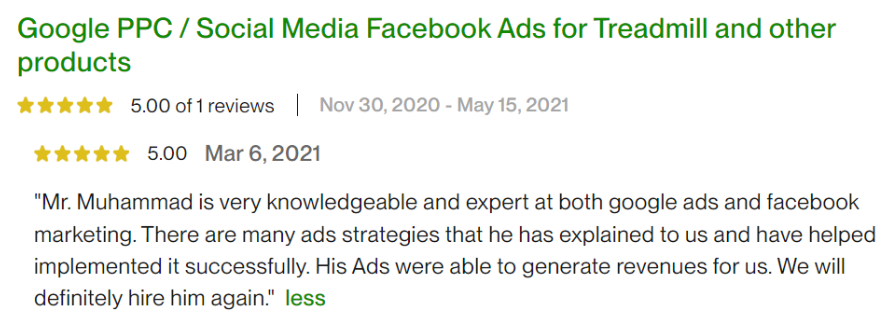
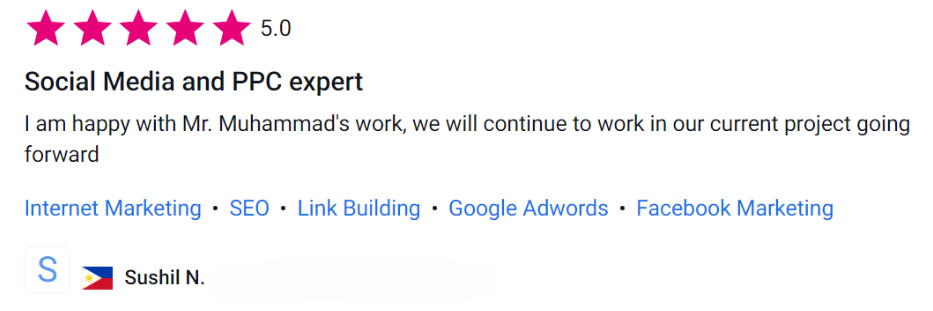
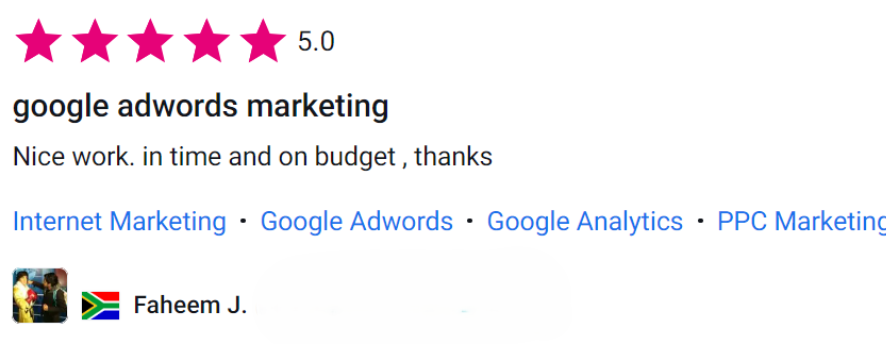
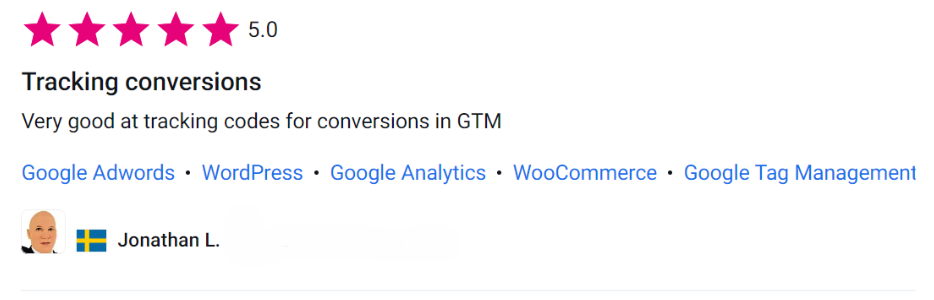
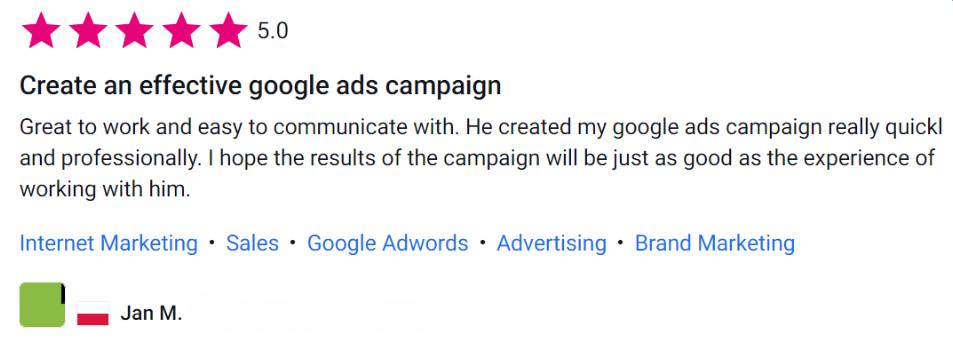
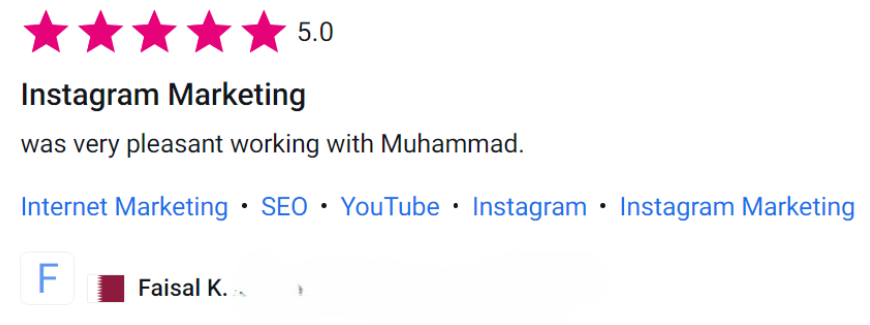
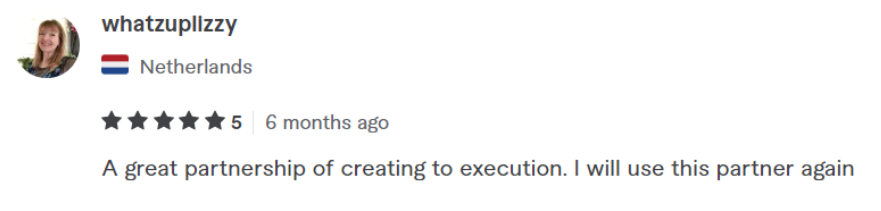
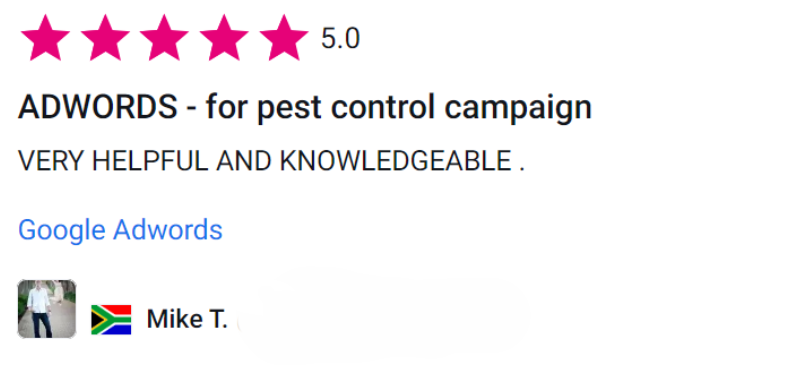
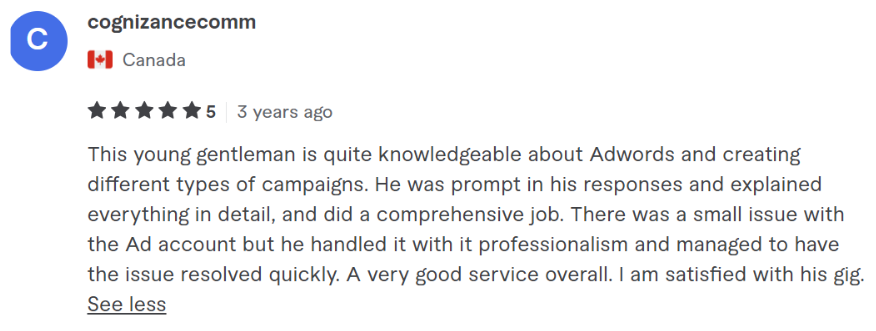
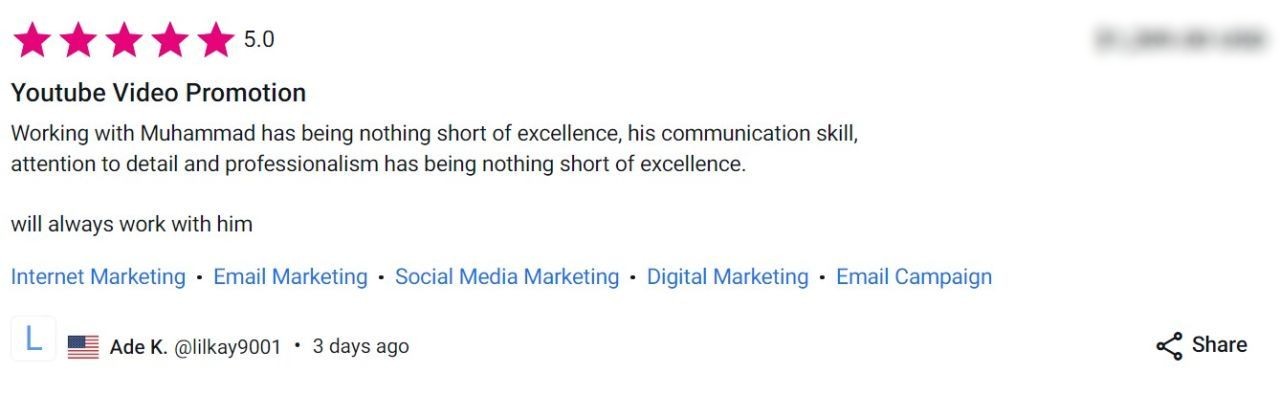
Unedited feedback from the practices, service businesses and brands we build and run systems for.
Each one works on your own numbers in the browser. No email, no sign-up.
Work backward from the customers you want to a monthly budget, with cost-per-click presets for 24 industries and healthcare specialties.
See what unanswered calls cost you each month and year, after allowing for callers you reach later.
Twenty checks for pixels, forms, URLs, vendors and consent, scored as you tick, with your highest-priority fixes first.
Twelve questions across ads, tracking, pages and follow-up. Get a score out of 100 and your three biggest leaks.
Search cost per click, conversion rate and cost per lead for 16 specialties, with a modeled cost per new patient and a CSV.
Most practices can’t see PAC because calls, forms, bookings and the practice system don’t talk to each other. That’s the part we build.
Calls, forms, bookings and attended visits connected to the ad that produced them, without sending health details to ad platforms.
Healthcare work is overseen by Dr. Muhammad Abdullah, a Doctor of Pharmacy with an MBA.
We start where cost jumps most between stages, not with more ad spend.
A flat monthly retainer, never a percentage of ad spend. A 90-day initial term, then month to month.
Divide total marketing spend in a period by the number of new patients acquired in the same period. Include ad spend, agency fees and software for a fully loaded PAC.
One that leaves a healthy margin against lifetime value. Many practices plan for an LTV-to-PAC ratio of at least 3 : 1; the right number depends on treatment margins and how long patients stay.
Cost per lead counts inquiries; PAC counts new patients. If one in four leads becomes a patient, PAC is about four times cost per lead before fees.
LocaliQ’s data for October 2024 to September 2025 puts the median healthcare search lead at $66.02, from $18.54 in dermatology to $141.17 in mental health.
Yes, for a fully loaded PAC. Ad-only PAC is useful for comparing channels; fully loaded PAC tells you whether marketing as a whole pays.
Ad spend and leads come from your ad accounts and call tracking; booked and attended appointments from your scheduling or practice management system; new patients from your front desk or billing records for the same month.
Free patient growth audit
Send your numbers and we’ll trace them through your accounts: where leads come from, where they stall between inquiry and appointment, and the three fixes that lower cost per new patient fastest, without exposing patient data.
Three required fields. We’ll take it from there.
Free and no obligation. See our privacy policy.
Book a 30-minute strategy call with our senior team, led by Dr. Muhammad Abdullah. Bring your numbers and your goals, and leave with a clear next step.
Loading the booking calendar…
If it doesn’t appear, open the calendar in a new tab.