Introduction
Many businesses launch Google Ads or Meta Ads campaigns hoping to generate leads quickly.
But there’s a major problem hiding behind the scenes:
Most companies do not actually know what is working.
They may see:
- clicks
- impressions
- traffic
- form submissions
but still lack reliable answers to critical questions like:
- Which campaigns generate qualified leads?
- Which keywords drive revenue?
- Which landing pages convert best?
- Where are users dropping off?
- What is the real cost per acquisition?
Without proper tracking infrastructure, advertising becomes guesswork.
And in today’s environment — where ad costs continue rising — guessing is expensive.
What Are GA4 & GTM?
GA4 (Google Analytics 4)
Google Analytics 4 is Google’s modern analytics platform designed to help businesses understand how users interact with their website and marketing channels.
It tracks:
- user behavior
- traffic sources
- conversions
- engagement
- customer journeys
- attribution paths
GA4 is now essential for modern digital marketing because older tracking methods are becoming less reliable due to:
- cookie restrictions
- privacy changes
- iOS tracking limitations
- browser updates

GTM (Google Tag Manager)
Google Tag Manager acts as the control center for your tracking setup.
Instead of editing website code repeatedly, GTM allows businesses to manage:
- conversion tracking
- analytics tags
- remarketing pixels
- event tracking
- form tracking
- click tracking
from one centralized system.
In simple terms:
GA4 helps you understand performance.
GTM helps you collect the data correctly.
Together, they form the foundation of reliable marketing analytics.
Why Running Ads Without Tracking Is Dangerous
Many businesses focus heavily on:
- ad creatives
- targeting
- budgets
- bidding strategies
while ignoring the quality of their tracking setup.
This creates serious problems.
Businesses may:
- optimize campaigns using inaccurate data
- scale low-quality traffic
- pause profitable campaigns
- underestimate acquisition costs
- misjudge ROI
In many cases, businesses believe ads are failing when the real issue is poor attribution.
The Hidden Cost of Bad Data
Poor tracking silently damages performance in ways most businesses never realize.
For example:
- leads may not record properly
- phone calls may go unattributed
- CRM conversions may never sync back to ad platforms
- purchases may duplicate incorrectly
- landing page performance may appear misleading
This leads to poor business decisions.
And poor decisions compound over time.
One of the biggest dangers is false confidence:
Businesses often believe campaigns are performing better — or worse — than they actually are.
That makes optimization almost impossible.
Common Tracking Mistakes Businesses Make
1. No Conversion Tracking
Many businesses only track traffic, not actual business outcomes.
Clicks alone do not measure profitability.
You should track:
- calls
- forms
- booked appointments
- purchases
- qualified leads
- offline sales
2. Incorrect GA4 Setup
A surprising number of GA4 accounts are misconfigured.
Common issues include:
- duplicate events
- broken conversions
- missing cross-domain tracking
- inaccurate attribution
- poor event naming conventions
3. No Google Tag Manager Structure
Without GTM, tracking setups become messy and difficult to maintain.
Businesses often rely on:
- hardcoded scripts
- disconnected tools
- outdated pixels
This increases technical issues and tracking inconsistencies.
4. No CRM Attribution
Many businesses stop tracking after form submissions.
But true ROI measurement requires understanding:
- lead quality
- closed deals
- customer value
- revenue attribution
Modern businesses connect:
- GA4
- CRM systems
- ad platforms
- server-side tracking
into one connected data ecosystem.
Why Proper Tracking Improves Ad Performance
Better tracking directly improves:
- campaign optimization
- targeting
- bidding algorithms
- remarketing
- lead quality
- cost efficiency
Platforms like Google Ads and Meta Ads rely heavily on conversion signals.
If your data quality is weak:
the algorithm performs worse.
Accurate tracking helps advertising platforms learn:
- who converts
- what actions matter
- which audiences perform best
That leads to:
- lower CPA
- better ROAS
- improved lead quality
- stronger scaling potential
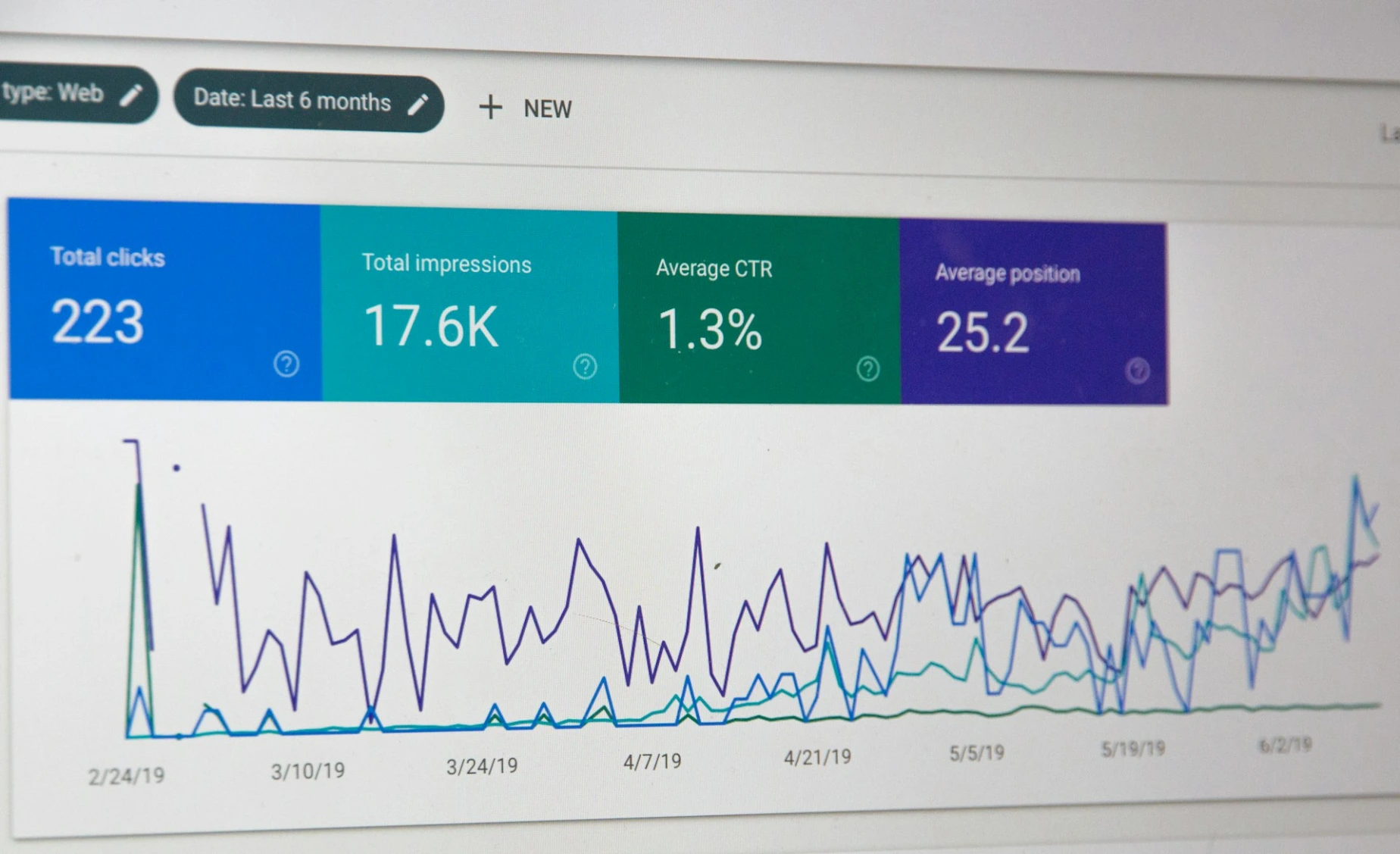
Modern Tracking Requires More Than Basic Pixels
The digital landscape has changed significantly.
Privacy updates and browser restrictions have reduced the reliability of traditional tracking methods.
Businesses increasingly need:
- server-side tracking
- Enhanced Conversions
- Meta Conversion API
- Consent Mode v2
- first-party data strategies
to maintain data accuracy.
This is especially important for:
- healthcare brands
- e-commerce stores
- lead generation businesses
- multi-channel campaigns
Businesses relying on outdated tracking setups are operating with incomplete visibility.
What High-Performing Businesses Do Differently
The businesses generating the best results today treat analytics as a strategic advantage — not just a reporting tool.
They build:
- clean tracking architecture
- reliable attribution systems
- CRM integrations
- automated reporting
- full-funnel visibility
This allows them to:
- scale faster
- reduce wasted spend
- improve customer acquisition
- make decisions confidently
The difference between average campaigns and highly profitable campaigns is often data quality.
Want to Know If Your Tracking Is Actually Reliable?
Most businesses discover tracking issues only after wasting significant ad budget.
At Impact Brains, we help businesses implement:
- GA4
- Google Tag Manager
- server-side tracking
- Meta CAPI
- CRM attribution
- conversion tracking systems
so marketing decisions are based on reliable data — not assumptions.
Request a Free Tracking & Analytics Audit

Final Thoughts
Running ads without proper analytics is like driving with a blindfold.
You may still move forward — but you cannot optimize efficiently, scale confidently, or understand what is truly generating revenue.
Modern marketing depends on:
- accurate tracking
- reliable attribution
- connected systems
- actionable insights
Businesses that invest in strong analytics infrastructure gain a major competitive advantage because they can make faster, smarter, data-driven decisions.
And in an increasingly competitive advertising landscape, that advantage compounds quickly.