Introduction
Every year, businesses pour billions into Facebook and Instagram advertising, all in the hopes of achieving: more leads, more sales, more booked appointments, and scalable growth.
However, many companies find themselves feeling frustrated by:
rising ad costs, poor-quality leads,
inconsistent performance,
and campaigns that seem to just “stop working” out of the blue.
As a result, a lot of business owners jump to the conclusion that Facebook Ads are no longer effective. But that’s usually not the real issue.
The truth is: Meta Ads have changed significantly over the last few years.
Nowadays, successful campaigns demand: better creatives, cleaner tracking, stronger landing pages, smarter audience strategies, and a comprehensive conversion system.
At Impact Brains, we’ve witnessed businesses revamp their Meta Ads performance not just by “changing targeting,” but by enhancing the entire acquisition ecosystem that supports the ads.
In this article, we’ll explore why most Facebook Ads campaigns fall short — and what high-performing brands do differently to achieve profitable growth.
Why Facebook Ads Still Work in 2026
Even with rising competition and privacy changes, Facebook and Instagram continue to be two of the most potent advertising platforms out there.
Meta still commands: massive user attention, advanced machine learning systems, sophisticated audience modeling, and some of the most robust visual advertising infrastructure in digital marketing.
The key difference is: modern Meta Ads require a more strategic approach than they did in the past. The old “launch one campaign and hope for the best” strategy just doesn’t cut it anymore.
Brands that thrive today create complete systems around: data, creatives, funnels, and optimization.

The Biggest Reasons Most Facebook Ads Fail
1. Weak Ad Creatives
The quality of your creative work is crucial for how well your Meta Ads perform.
These days, users scroll through content at lightning speed. If your ad doesn’t grab their attention right off the bat, you’re already at a disadvantage before you even get to optimization.
Some common creative pitfalls include:
- bland visuals,
- lackluster hooks,
- unclear messaging,
- overly complicated graphics,
- and ads that come off as too salesy.
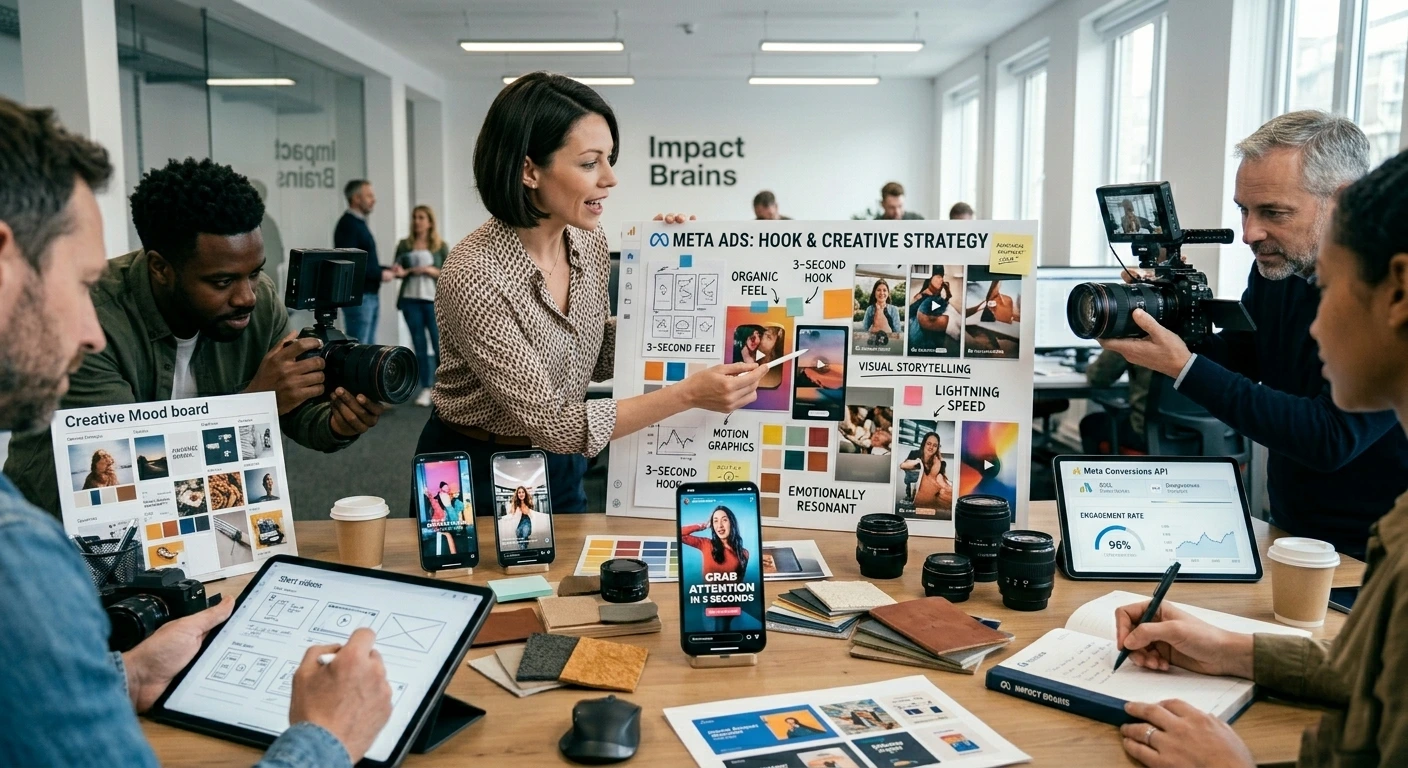
To really shine, modern Meta campaigns need creatives that feel:
- organic,
- captivating,
- emotionally resonant,
- and visually straightforward.
Remember, the first three seconds are more important than ever!
2. Poor Tracking & Inaccurate Data
A lot of businesses are running Facebook Ads with tracking systems that are either incomplete or just plain broken.
This can lead to significant optimization challenges because Meta’s algorithm relies heavily on accurate conversion signals.
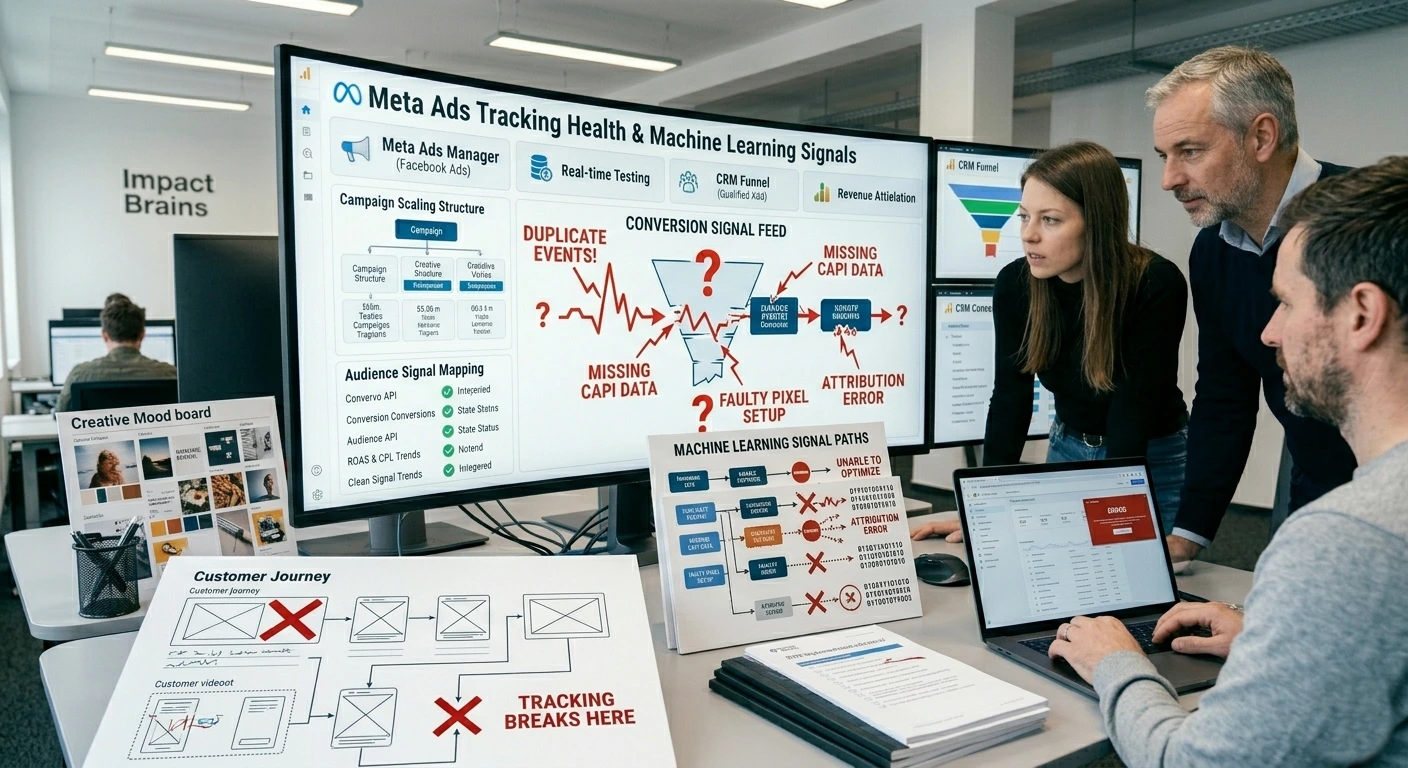
If your setup isn’t right, Meta has a tough time figuring out:
- who’s converting,
- which users are valuable,
- and which audiences deserve a bigger budget.
Common issues include:
- a faulty Meta Pixel setup,
- missing conversion events,
- duplicate tracking,
- no Conversion API in place,
- and incorrect attribution.
Weak tracking can seriously hinder machine learning performance.
3. Sending Traffic to Weak Landing Pages
Even the best ad creatives can fall flat if the landing page experience isn’t up to par.
Many businesses direct paid traffic to:
- slow-loading websites,
- generic homepages,
- cluttered designs,
- or pages with vague offers.
This creates friction and can really hurt conversion rates.

To create a successful Facebook Ads funnel, your landing pages should be tailored for:
- clear conversions,
- speed,
- mobile-friendly design,
- building trust,
- and generating leads.
Remember, the ad is just one piece of the puzzle!
4. Optimizing for the Wrong Metrics
A lot of advertisers get caught up in vanity metrics like clicks, reach, impressions, or engagement.
But just because engagement is high doesn’t mean the performance is profitable.
Smart brands know to focus on metrics that really matter, such as qualified leads, revenue, customer acquisition cost, lifetime value, and actual business outcomes.
When running Meta campaigns, it’s crucial to align them with revenue goals rather than just platform metrics.
5. No Full-Funnel Strategy
One of the biggest blunders businesses make is treating Facebook Ads as a one-and-done conversion tool.
The truth is, most users don’t convert right after seeing a single ad.
Top-performing brands utilize a mix of cold audience campaigns, retargeting efforts, nurturing sequences, email follow-ups, and multiple touchpoints.
This approach builds a comprehensive acquisition funnel instead of relying on just one interaction.

Why Creatives Matter More Than Ever
Meta’s algorithm is increasingly driven by creativity.
Even with solid targeting, lackluster creatives can seriously hinder campaign performance.
Winning creatives typically feature strong hooks, emotional triggers, direct problem-solving, social proof, simple visuals, and mobile-first formatting.
Short-form videos, user-generated content, and authentic messaging often outperform slick corporate ads because they blend in more naturally with the feed.
Creative testing has become one of the key growth strategies within Meta Ads.
Why Tracking Infrastructure Is Critical
Today’s Meta advertising relies heavily on the quality of data.
Businesses that set up the Meta Pixel correctly, use the Conversion API, implement GA4, and track events properly usually send Meta stronger optimization signals.
This leads to better audience learning, lower CPA, enhanced retargeting, and more accurate reporting.
As privacy regulations continue to change, server-side tracking and advanced attribution systems are becoming increasingly vital.
Request a free Tracking Infrastructure Audit →
What High-Performing Facebook Ad Systems Look Like
The top brands out there don’t just depend on a single “winning ad.”
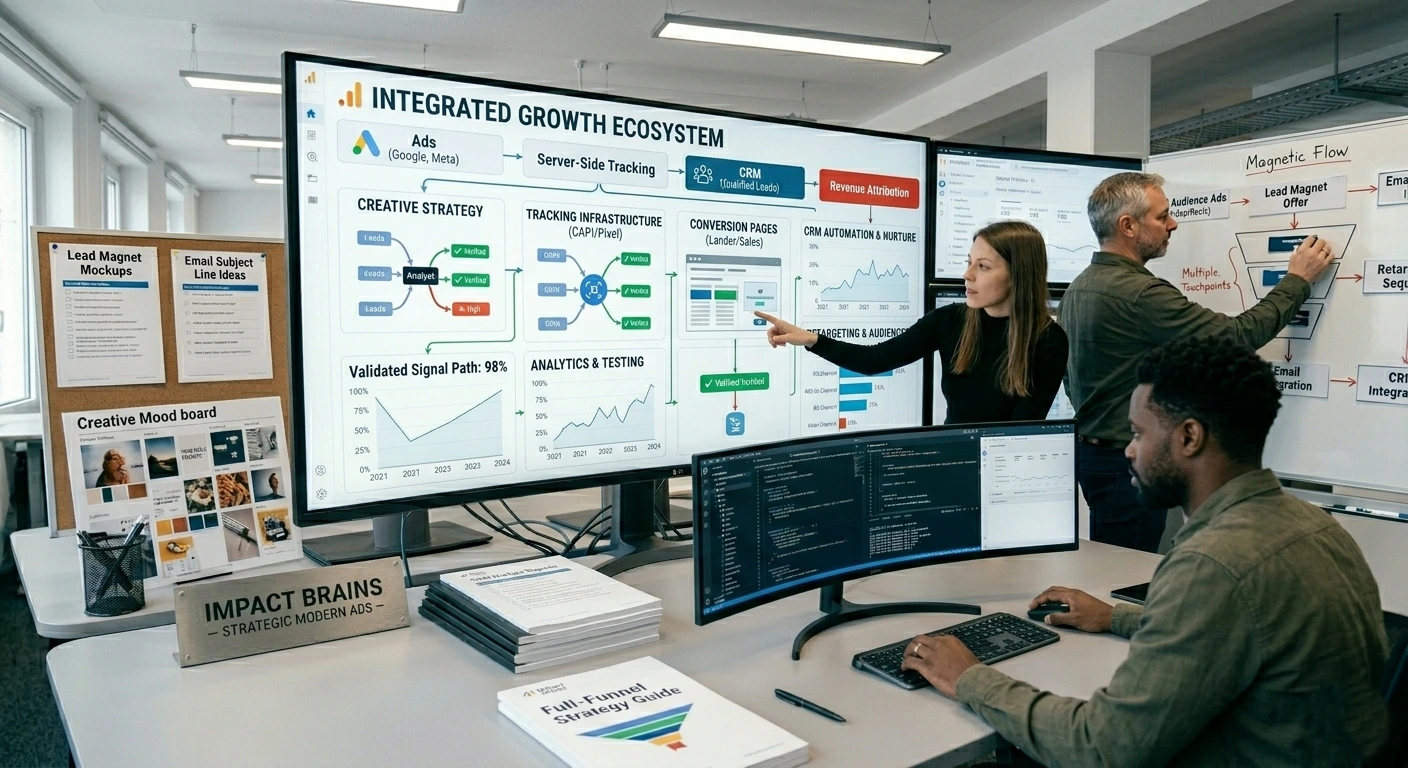
Instead, they create comprehensive growth systems that bring together:
- creative strategy,
- tracking infrastructure,
- conversion-focused landing pages,
- retargeting,
- CRM automation,
- analytics,
- and ongoing testing.
Every element of the funnel works in harmony.
That’s the secret behind brands that scale consistently, rather than just banking on fleeting campaign successes.
The Brands Winning on Meta Think Long-Term
A lot of businesses tend to hit the reset button on their campaigns, switch strategies too often, or get anxious during short-term ups and downs.
High-performing brands know that lasting success with Meta Ads comes from:
- consistent testing,
- data analysis,
- creative iteration,
- and gradual optimization.
The most effective campaigns are crafted through disciplined experimentation — not by taking shortcuts.
Final Thoughts
Facebook and Instagram Ads remain incredibly potent growth channels.
However, modern Meta advertising demands more than just basic targeting and boosted posts.
Today’s businesses that want to scale profitably focus on:
- creative quality,
- precise tracking,
- landing page experience,
- conversion systems,
- and full-funnel optimization.
Because successful Meta campaigns are no longer just about the ads — they’re about creating a complete performance marketing ecosystem.