Skip to Content

Patient Acquisition Systems for practices & health brands

Healthcare marketing agency building Patient Acquisition Systems. Measured in new patients, not clicks.

Impact Brains builds Patient Acquisition Systems for dental, aesthetic, specialty and telehealth practices: compliant Google and Meta ads, trust-first websites, HIPAA-aligned tracking and follow-up that turns inquiries into booked consultations.

  • Flat monthly fee, never a % of spend
  • You own every account
  • No PHI in ad platforms
  • −57%cost per conversion, facial plastic surgery
  • 34 → 99monthly conversions in three months
  • +161%conversion value ($38.2K → $99.8K)
−57%cost per conversionFacial plastic surgery practice, Washington, D.C., in three months
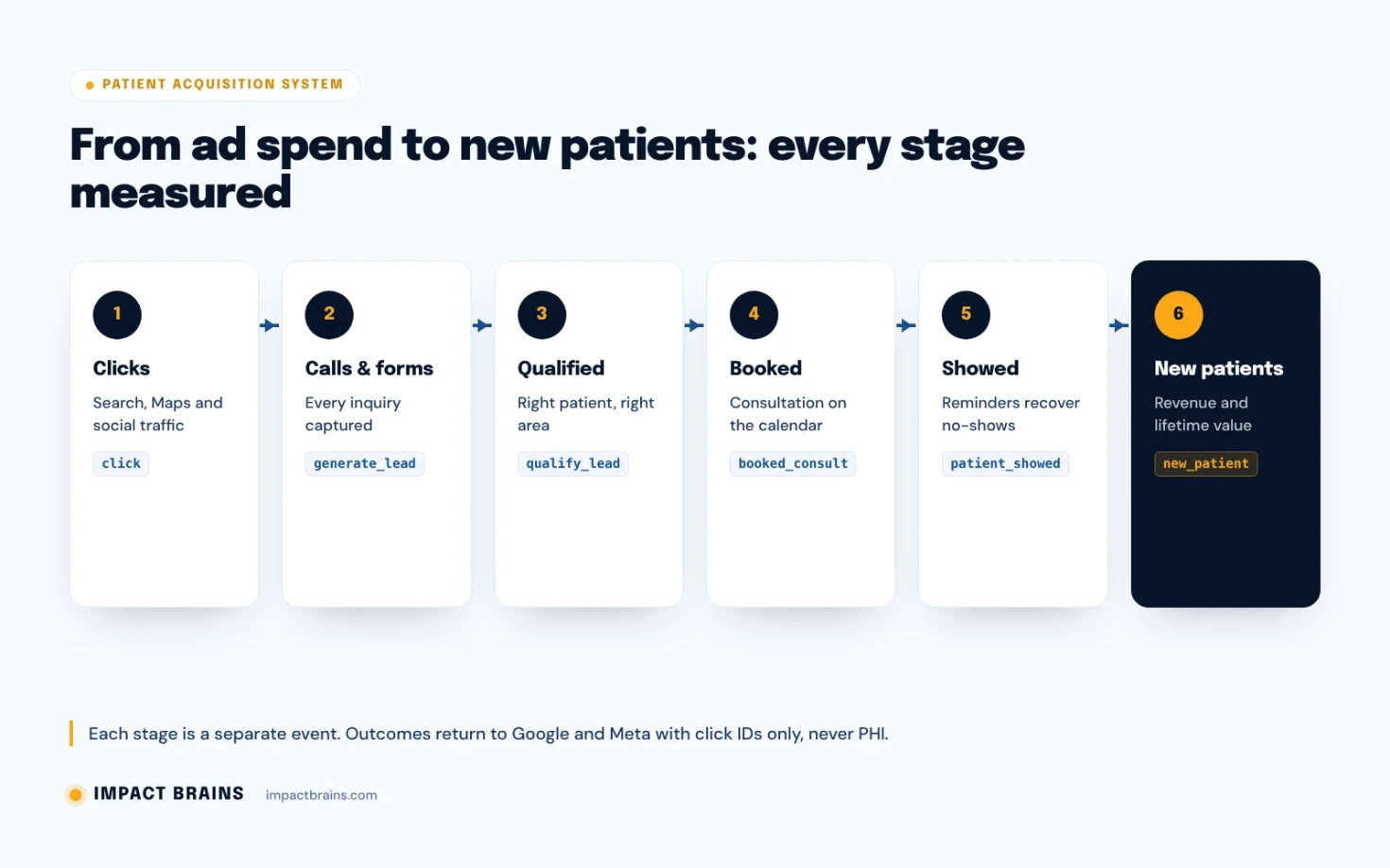
How Impact Brains measures healthcare marketing: clicks become calls and forms (generate_lead), qualified inquiries, booked consultations, show-ups and new patients, each tracked as its own event without sending protected health information to ad platforms.

What does a healthcare marketing agency do?

A healthcare marketing agency plans and runs the channels patients use to find and choose a provider: Google search and Maps, AI assistants, social media, the practice website and the follow-up that turns an inquiry into a visit.

Impact Brains is a medical marketing agency built around one idea: those channels only pay off when they work as a single, measured system. We call ours the Patient Acquisition System, and we report it as cost per new patient, not cost per click.

The short answer

A healthcare marketing agency helps practices attract and convert new patients through search, social, websites and follow-up, while following healthcare advertising policies and patient-privacy rules. The best agencies measure success in booked consultations and new patients, not clicks or impressions.

  1. Get found: medical SEO, Google Maps and AI-search visibility for the treatments you offer.
  2. Get chosen: compliant Google and Meta ads aimed at patients ready to book.
  3. Convert: procedure pages and HIPAA-aligned intake that make booking easy.
  4. Measure: call, form and booking tracking that never sends PHI to ad platforms.
  5. Follow up: speed-to-lead, reminders and review requests that fill the schedule.

Sound familiar?

Healthcare marketing is different. Patients research for weeks, platforms restrict what you can say, and privacy rules limit what you can track. Generic agencies run into all three.

  • Expensive, unqualified inquiries

    The phone rings with price-shoppers and job seekers while booked consultations stay flat.

  • A website that doesn’t convert

    Patients visit, compare, and book with the practice that made the next step easier on a phone.

  • Invisible in local search

    Patients search “[treatment] near me” and find your competitors in the map pack and AI answers.

  • Compliance anxiety

    Google and Meta health policies, HIPAA and state rules make every campaign feel risky.

  • No idea what’s working

    You spend across channels but can’t say which one produced last month’s new patients.

  • No time to manage it

    You’re a clinician or an operator, not a marketer. You need one accountable team.

The Patient Acquisition System: the IMPACT framework applied to the patient journey

We find patients with high-intent search and social, convert them on procedure-specific pages, track every call and form without exposing PHI, follow up in minutes, and report cost per new patient every month.

  1. Insight

    Audit & plan

    Week 1

    A recorded audit of your ads, site, tracking and follow-up, then a 90-day plan built from your target cost per new patient.

  2. Attribution

    Track

    Weeks 1–2

    Calls, forms and bookings tracked through a server-side container that strips sensitive fields before any data reaches an ad platform.

  3. Pages

    Build

    Weeks 2–4

    Procedure and treatment pages with proof before the ask, HIPAA-aligned intake and a speed budget on mobile.

  4. Media

    Launch

    Weeks 4–6

    Search, Maps and social campaigns launched in phases, with ad copy and landing pages checked against Google and Meta health policies.

  5. CRM & Tuning

    Follow up & scale

    Ongoing

    Speed-to-lead and no-show automation, weekly tests, and a monthly review of cost per new patient by channel.

Most practices have a measured first version live in 30–45 days. Paid search usually produces qualified inquiries within two to four weeks of a clean relaunch.

See how the Patient Acquisition System works 

Healthcare marketing services, built as one system

Use the full system or start with the layer that leaks the most. Every service ships connected to the same tracking and the same monthly cost-per-new-patient review.

Specialties we build Patient Acquisition Systems for

A dentist sees implant and aligner campaigns. A surgeon sees consultation funnels. An urgent care operator sees location pages and wait times. Each specialty gets its own playbook.

Healthcare results that hold up to scrutiny.

We report the numbers a practice owner and an accountant both care about: cost per conversion, conversions and conversion value, before and after.

Facial plastic surgeryGoogle AdsWashington, D.C.

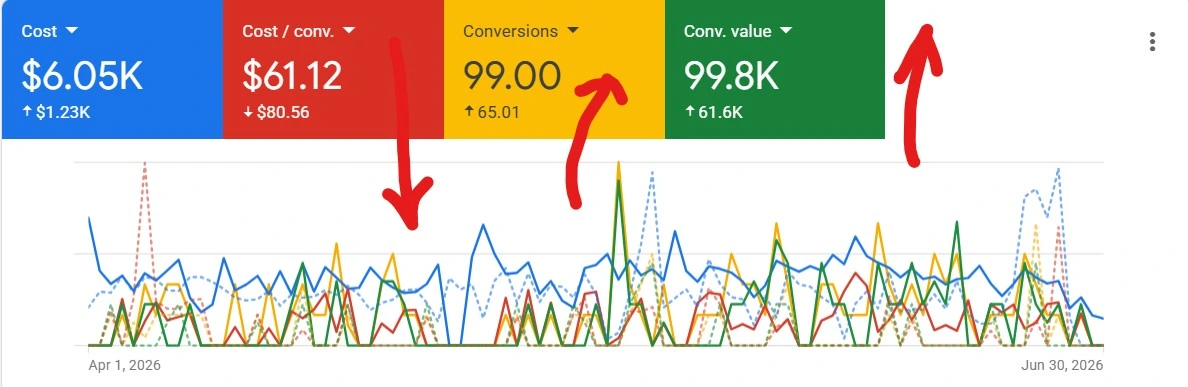
A Washington, D.C. facial plastic surgery practice cut cost per conversion 57% and nearly tripled conversions in three months.

Cost per conversion −57%
Before$141.68
After$61.12
Conversions (three months) 2.9×
Before34
After99
Conversion value +161%
Before$38.2K
After$99.8K
  • Campaigns rebuilt around procedure intent: facelift, mini facelift and deep plane facelift across D.C., Maryland and Virginia
  • Conversion tracking split calls, form fills and booked consultations, so bidding learned from real consults
  • A dedicated consult-booking landing page, built within Google’s healthcare advertising policies

Read the facial plastic surgery case study 

Google Ads dashboard for a Washington, D.C. facial plastic surgery practice after three months of optimization by Impact Brains
Google Ads performance after the three-month rebuild.
HIPAA
Telehealth · Landing page

Premier Metabolic & Men’s Health Care: GLP-1 + ED bundle

The old site couldn’t collect patient intake safely, which blocked paid ads. We rebuilt the page around HIPAA-aligned intake and physician-led consent, so compliant ad spend could launch.

Read the case study 
−97.8%
Health & wellness event · Meta Ads

Health & wellness summit: cost per lead $223 → $4.89

Audience research, sharper ad copy, lookalike expansion and fixed conversion tracking cut cost per lead 97.8% on Meta in under 90 days, with 249 qualified leads.

Read the case study 
50+
Tracking · 12+ industries

50+ Google Tag Manager accounts across 9 countries

Including healthcare and wellness accounts such as a plastic surgery practice and a pharmacy, with 9 server-side containers, Meta Conversions API, call tracking and offline conversions.

Read the case study 

See all case studies 

Compliance is built into the system

We work within Google’s Healthcare and medicines policy and Meta’s health and wellness rules, keep protected health information out of ad platforms with server-side tracking, and build intake on HIPAA-eligible tools with a signed Business Associate Agreement.

For categories that require certification, such as addiction treatment or online pharmacy, certification comes before launch, not after a suspension.

This is how we build. It is not legal advice; confirm your setup with your own counsel.

How HIPAA-aligned tracking works 

How compliance is built into every Patient Acquisition System
Rule or riskWhat we do
Google Healthcare & medicines policyAd copy, keywords and landing pages reviewed before launch; certification handled for restricted categories.
Meta health & wellness rulesNo targeting by health condition and no copy that implies a viewer’s condition or negative self-perception.
HIPAA and online trackingNo pixels on authenticated pages; a server-side container strips identifiers; offline conversions send click IDs, not PHI.
Forms, chat and bookingHIPAA-eligible tools with a signed Business Associate Agreement, encrypted and access-controlled.
Reviews and testimonialsPatient consent on file, no PHI in replies, and FTC endorsement rules followed for any featured result.

Which healthcare marketing metrics should a practice track?

Track the full path from spend to revenue: cost per lead, qualified inquiry rate, booking rate, show rate, cost per new patient and patient lifetime value. Cost per lead alone hides the stages where most practices lose patients: unqualified calls, slow follow-up and no-shows.

Healthcare marketing metrics, what they measure and how to calculate them
MetricWhat it tells youHow to calculate it
Cost per lead (CPL)What a call or form costsAd spend ÷ calls and forms
Qualified inquiry rateWhether you attract the right patientsQualified inquiries ÷ all leads
Booking rateHow well the front desk convertsBooked consultations ÷ qualified inquiries
Show rateWhether reminders workPatients who attended ÷ booked consultations
Patient acquisition cost (PAC)The real price of a new patientTotal marketing spend ÷ new patients
Patient lifetime value (LTV)What a new patient is worthAverage revenue per patient × expected visits or procedures
LTV : PAC ratioWhether marketing is profitablePatient lifetime value ÷ patient acquisition cost

Every stage is tracked as a separate event, and outcomes are imported as offline conversions using click IDs and timestamps only.

Patient acquisition funnel diagram: ad spend, clicks, calls and forms, qualified inquiries, booked consultations, show-ups, new patients and revenue, with the tracking event for each stage
The Patient Acquisition System funnel: every stage from ad spend to revenue is measured, so budget moves to the channels that produce patients.

How do you choose a healthcare marketing agency?

The best healthcare digital marketing agency for your practice is the one that can show its work: who builds the system, how it handles patient data, and how it proves results in new patients.

Ask every agency on your shortlist the same seven questions, and ask for the answers in writing.

Checklist

Choose an agency that understands healthcare ad policies and HIPAA, reports cost per new patient instead of clicks, lets you own every account, and shows real case studies from practices like yours, with before-and-after numbers you can verify.

  1. Policy fluency: can they explain Google’s and Meta’s health-ad rules for your specialty?
  2. Privacy: will they keep PHI out of ad platforms and sign a BAA when needed?
  3. Measurement: do they report cost per new patient, or stop at cost per lead?
  4. Ownership: do the ad accounts, analytics and website stay in your name?
  5. Pricing: is the fee flat, or a percentage of your ad spend?
  6. Proof: can they show verifiable results with dates and numbers?
  7. People: will the senior people you meet actually run your account?

Why practices choose Impact Brains

Most agencies run a channel. We build and run the whole Patient Acquisition System with one senior team, and we are accountable for the number that matters: cost per new patient.

  • Healthcare-literate leadership

    Dr. Muhammad Abdullah is a Doctor of Pharmacy with an MBA. Health claims, patient data and platform policy get a clinician’s care.

  • Measured to new patients

    Calls, forms, bookings and show-ups are tracked separately, so budget follows patients, not clicks.

  • Flat fee, no lock-in

    A flat monthly retainer, never a percentage of spend. A 90-day initial term, then month to month.

  • You own everything

    Ad accounts, analytics, Tag Manager, website and data stay in your name.

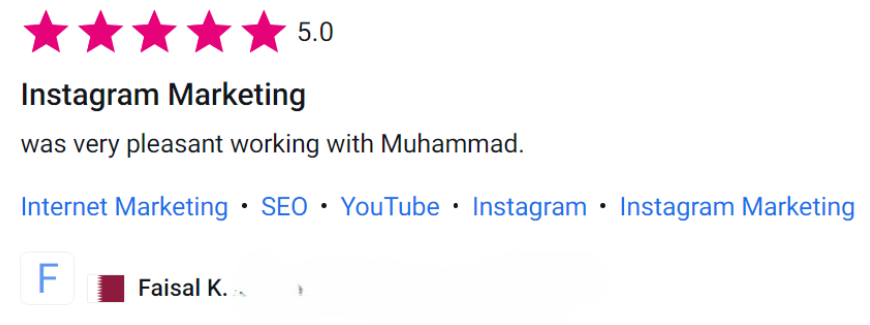
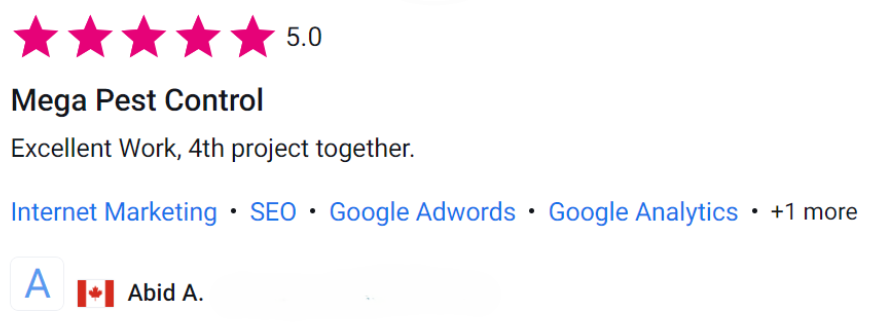
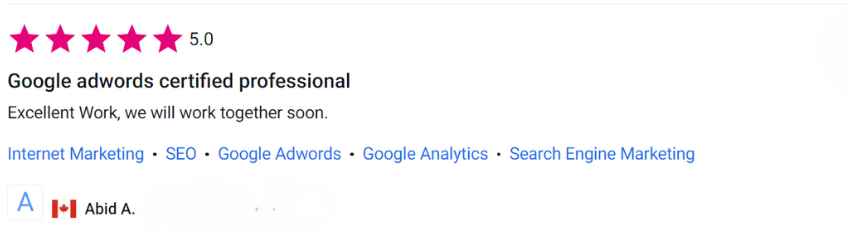
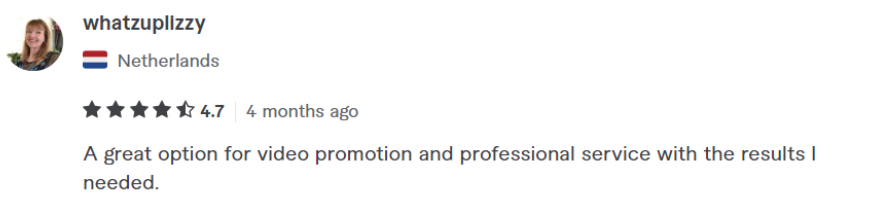
What operators say after the system goes live

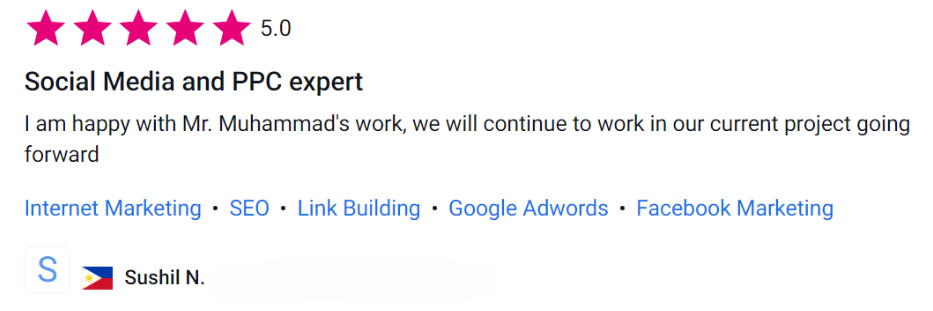
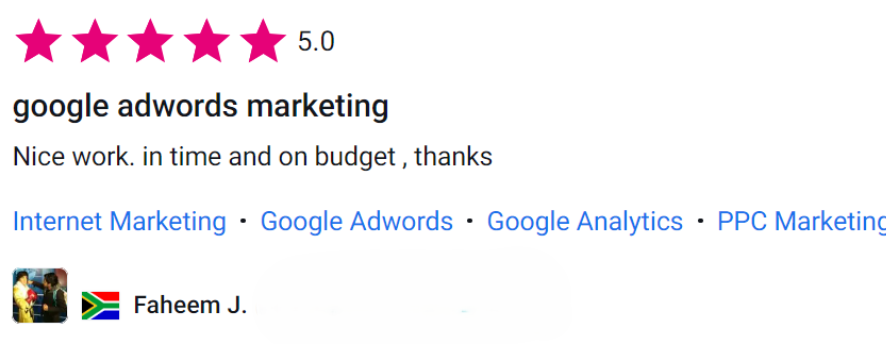
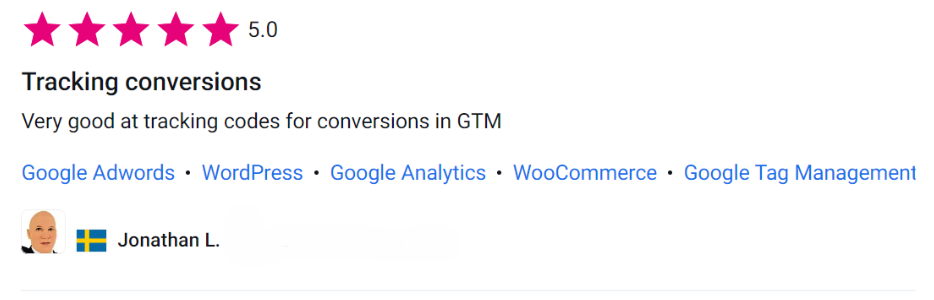
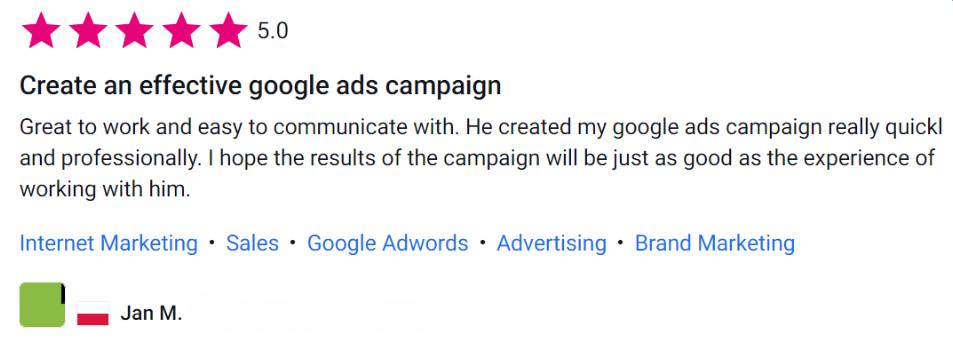
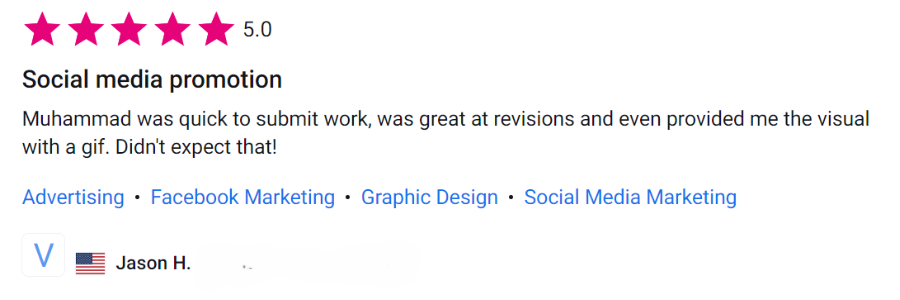
Feedback from the teams we build and run systems for.

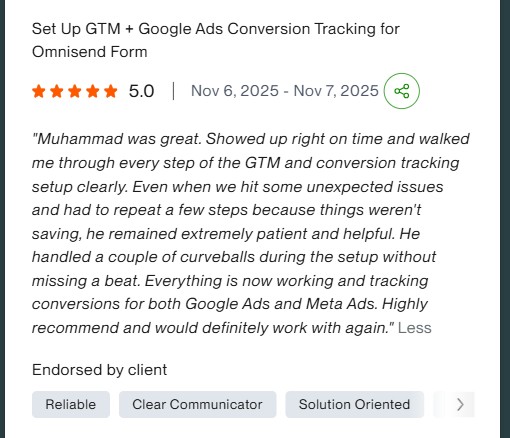
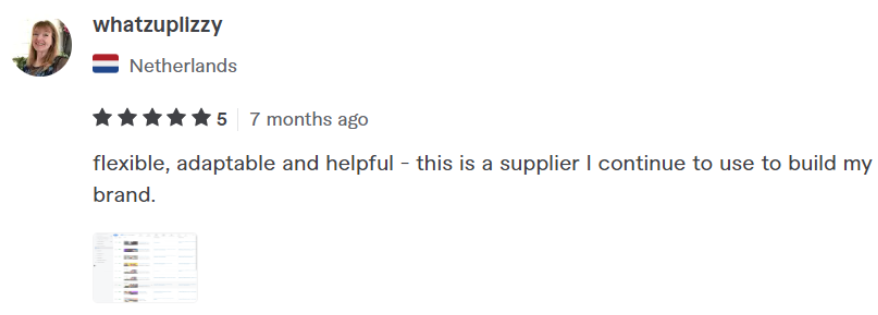
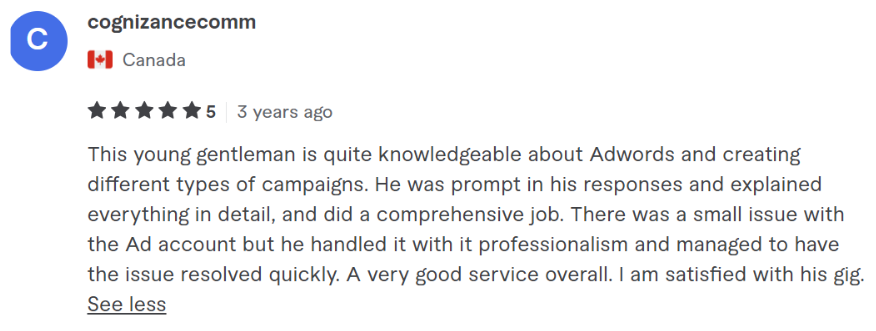
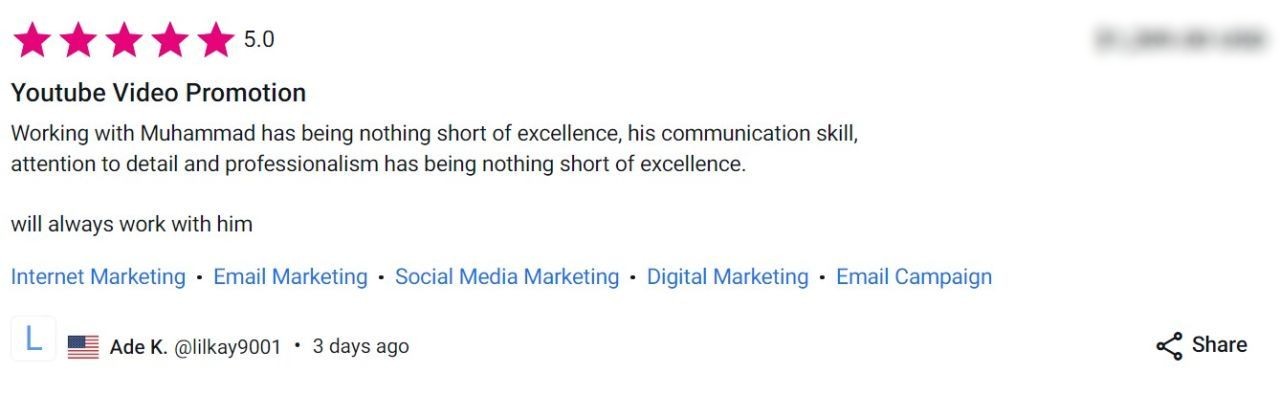
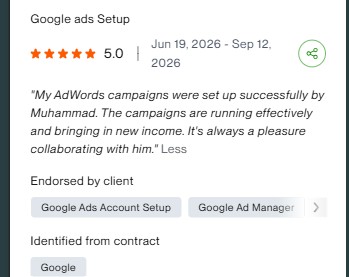
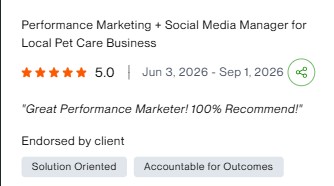
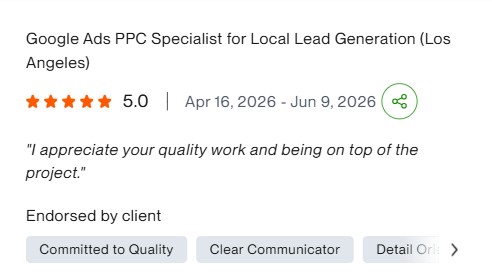
Omnisend Testimonial for Google Ads Tracking
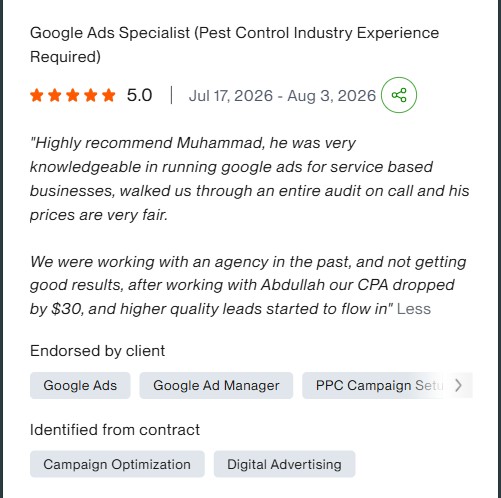
30 Dollar CPA Drop Testimonial
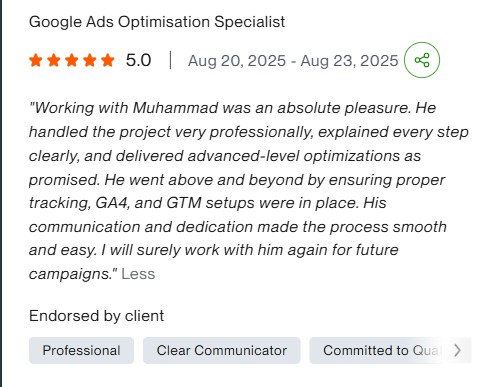
Google Ads Optimization Specialist Testimonial
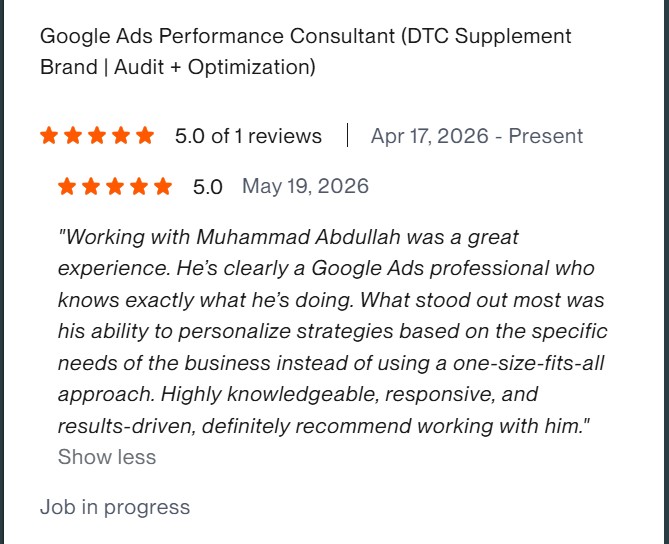
Google Ads Professional Testimonial
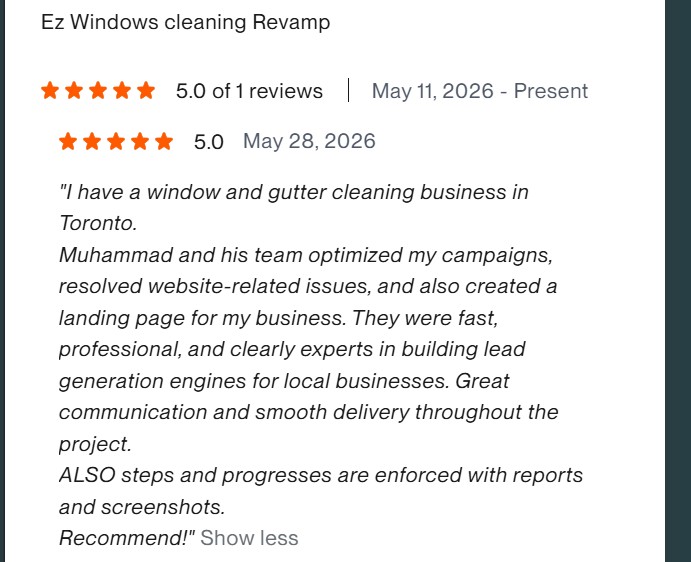
Window Cleaning Business Ads and Landing Page Testimonial
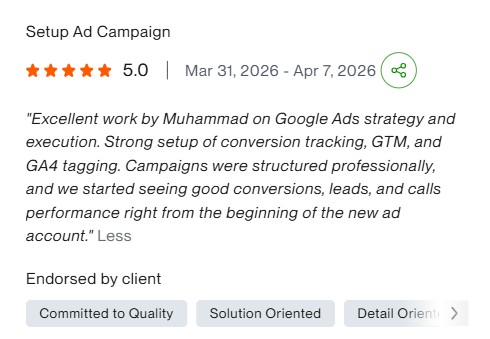
Professional Google Ads Campaign Setup Testimonial
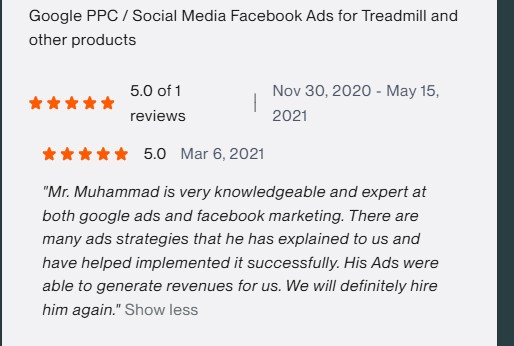
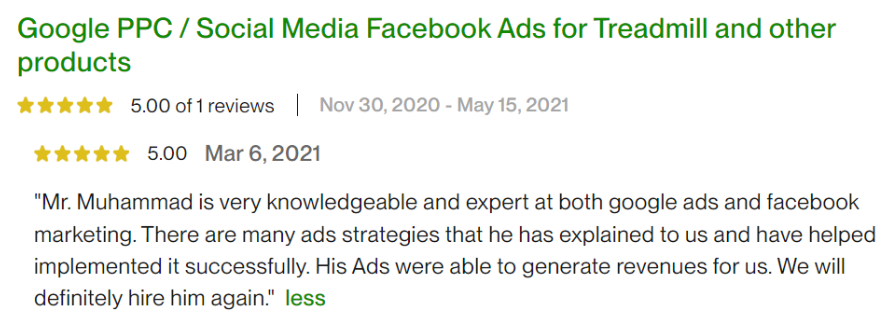
Google Ads and Facebook Marketing Testimonial
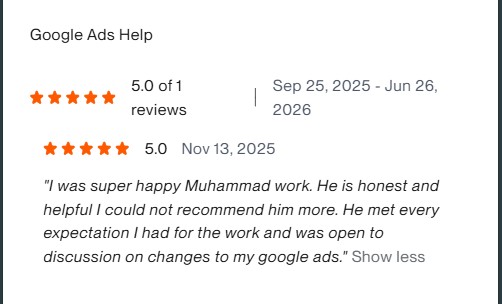
Changes in Google Ads Testimonial
Client review of Impact Brains, screenshot 9 of 33
Client review of Impact Brains, screenshot 10 of 33
Client review of Impact Brains, screenshot 11 of 33
Client review of Impact Brains, screenshot 12 of 33
Client review of Impact Brains, screenshot 13 of 33
Client review of Impact Brains, screenshot 14 of 33
Client review of Impact Brains, screenshot 15 of 33
Client review of Impact Brains, screenshot 16 of 33
Client review of Impact Brains, screenshot 17 of 33
Client review of Impact Brains, screenshot 18 of 33
Client review of Impact Brains, screenshot 19 of 33
Client review of Impact Brains, screenshot 20 of 33
Client review of Impact Brains, screenshot 21 of 33
Client review of Impact Brains, screenshot 22 of 33
Client review of Impact Brains, screenshot 23 of 33
Client review of Impact Brains, screenshot 24 of 33
Client review of Impact Brains, screenshot 25 of 33
Client review of Impact Brains, screenshot 26 of 33
Client review of Impact Brains, screenshot 27 of 33
Client review of Impact Brains, screenshot 28 of 33
Client review of Impact Brains, screenshot 29 of 33
Client review of Impact Brains, screenshot 30 of 33
Client review of Impact Brains

Read the full case studies 

One practice per specialty, per market

We don’t run competing practices in the same specialty and service area, so your strategy stays yours. Tell us your specialty and city and we’ll confirm whether your market is open.

Check if my market is available 

Healthcare marketing questions, answered

What does a healthcare marketing agency do?

A healthcare marketing agency helps practices attract and convert new patients through search, social, websites and follow-up, while following healthcare advertising policies and patient-privacy rules. The best ones measure success in booked consultations and new patients, not clicks.

How much does healthcare marketing cost?

Practices we work with typically invest $5,000–$30,000+ per month in media, plus a flat management retainer that is never a percentage of spend. The right budget depends on specialty, market competitiveness and patient lifetime value, so we size it backward from your target cost per new patient.

Is Google Ads allowed for medical practices?

Yes. Most medical services can advertise on Google. Some categories, such as prescription drugs, addiction treatment and certain unproven treatments, require certification or are restricted, and ad copy and landing pages must follow Google’s Healthcare and medicines policy.

Can you track patients without violating HIPAA?

Yes. We never send protected health information to ad platforms. Tracking fires on non-identifying events, runs through a server-side container that strips sensitive fields, and offline conversions use only click IDs and timestamps. Confirm your specific setup with your own counsel.

How long does healthcare SEO take?

Most practices see meaningful movement in 60–120 days for local and specialty terms, with compounding returns over six to twelve months. Google Business Profile fixes and procedure pages usually move first.

How quickly will paid ads produce new patients?

Paid search usually produces qualified inquiries within two to four weeks of a clean relaunch. Meta campaigns typically stabilize in 30–60 days. We set a measurement baseline on day one so progress is visible every week.

Do you work with multi-location practices and DSOs?

Yes. We build centralized campaigns with location-level budgets, tracking and reporting, so each location sees its own cost per new patient and leadership sees the whole group.

What makes Impact Brains different from other healthcare marketing agencies?

We build the whole Patient Acquisition System (ads, pages, tracking and follow-up) with one senior team, and report cost per new patient. Most agencies stop at cost per lead. You keep ownership of every account, and the fee is flat.

Is Dr. Muhammad Abdullah a medical doctor?

No. His doctorate is in pharmacy (Pharm.D), and he also holds an MBA. Impact Brains is a marketing agency and does not provide medical advice or clinical services; his training shapes how we handle health claims, patient privacy and ad policy.

Do we own our ad accounts and data?

Always. Google Ads, Meta Business Manager, GA4, Tag Manager, your website and your CRM stay in your name. We work inside your accounts, so there is no lock-in if you move marketing in-house.

Free patient growth audit

Get a free patient growth audit, reviewed by our senior team.

Tell us about your practice. Within two business days you’ll get a recorded walkthrough of where your ads, website, tracking or follow-up leak patients, and the three fixes that will move the numbers fastest. No pitch deck. No pressure.

  1. Tell us about your practiceTwo minutes. No patient information, ever.
  2. Get your recorded auditAds, Maps, website, tracking and follow-up, reviewed by our senior team.
  3. Decide with numbersA 90-day plan sized from your target cost per new patient. Keep it either way.
−57%cost per conversion for a Washington, D.C. facial plastic surgery practice in three months

Request your free patient growth audit

Three required fields. We’ll take it from there.

Free and no obligation. See our privacy policy. Please don’t include patient information.

Prefer to talk it through?

Book a 30-minute strategy call with our team, led by Dr. Muhammad Abdullah. Bring your numbers and your goals, and leave with a clear next step.