
Businesses spend thousands of dollars every month driving traffic through Google Ads, Meta Ads, SEO, and social media.
Yet many still struggle with:
- low conversion rates
- poor lead quality
- high cost per acquisition
- inconsistent sales
- visitors who leave without taking action
The common assumption is:
“We need more traffic.”
But in many cases, the real issue is different.
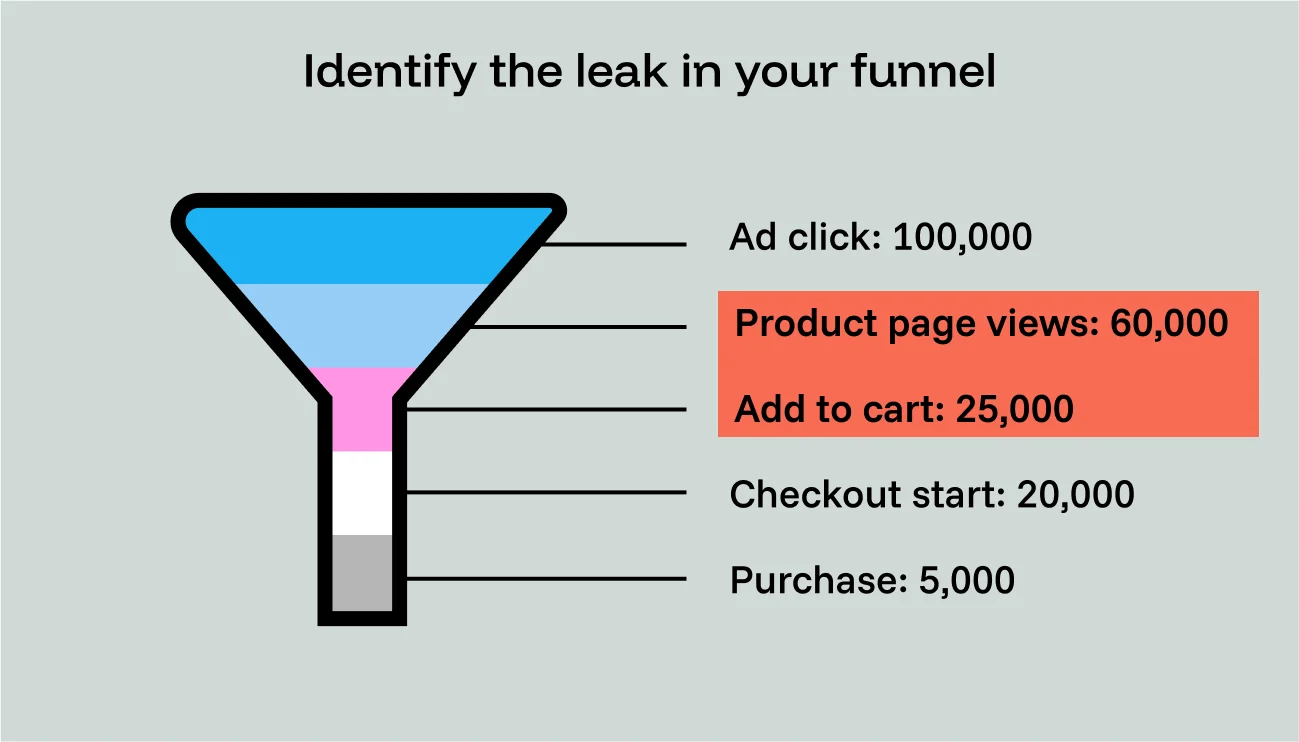
The website is leaking leads before they ever convert.
And in today’s market, that problem is becoming more expensive than ever.
Your Website Is No Longer Just a “Digital Brochure”
Modern websites are not simply online business cards.
They are conversion systems.
Every page, section, button, form, and interaction influences whether a visitor:
- trusts your brand
- understands your offer
- stays on the page
- books a call
- fills out a form
- or leaves forever
A weak website silently destroys marketing performance — even if your ads and SEO are working.
That means businesses often pay for traffic they never convert.
The Real Cost of a Poor Website
Most businesses underestimate how damaging a weak website can be.
A poor-performing website affects:
- ad ROI
- SEO rankings
- conversion rates
- lead quality
- customer trust
- sales efficiency
For example:
If your website converts at:
- 1% instead of 3%
- you may need 3x more traffic
- 3x more ad spend
- and significantly more sales effort
to achieve the same business outcome.
Small conversion problems create massive revenue losses over time.
1. Slow Websites Kill Conversions
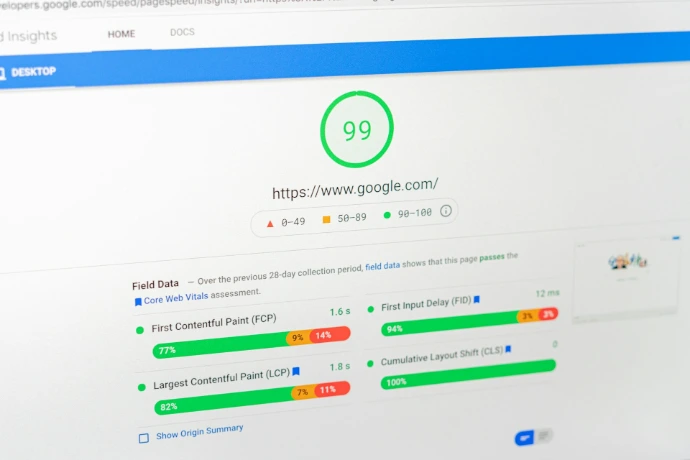
Speed is one of the biggest conversion factors online.
Users now expect websites to load almost instantly.
If your website is slow:
- visitors leave
- bounce rates increase
- trust decreases
- ad performance suffers
- SEO visibility drops
Research consistently shows that even small delays in load time reduce conversions significantly.
This becomes even more important for:
- mobile users
- local businesses
- paid advertising traffic
- e-commerce stores
Modern websites must prioritize:
- Core Web Vitals
- image optimization
- lightweight code
- mobile performance
- fast hosting infrastructure
Traffic is expensive.
You cannot afford to lose visitors because of speed issues.
2. Weak Messaging Confuses Visitors
One of the most common problems we see is unclear positioning.
Many websites fail to answer basic questions quickly:
- What do you do?
- Who is it for?
- Why should someone trust you?
- What outcome do you provide?
- What should visitors do next?
If users cannot understand your value within a few seconds, they leave.
High-converting websites communicate:
- clear offers
- strong outcomes
- trust signals
- simple next steps
immediately.
Good design is not just visual.
It is strategic communication.

3. Most Websites Are Not Built for Conversion
Many websites are designed for aesthetics first and conversions second.
That creates problems such as:
- weak calls-to-action
- confusing layouts
- poor mobile UX
- long forms
- distracting elements
- inconsistent user journeys
A beautiful website that does not convert is still underperforming.
High-converting websites are intentionally engineered to guide visitors toward action.
That includes:
- strategic CTA placement
- conversion-focused copywriting
- simplified navigation
- trust-building sections
- optimized landing pages
- reduced friction
Every extra step reduces conversion probability.
[IMAGE: Conversion-focused landing page wireframe with highlighted CTA areas]
Best image type: UX wireframe or CRO-focused landing page example.

4. Poor Mobile Experience Is Costing You Customers
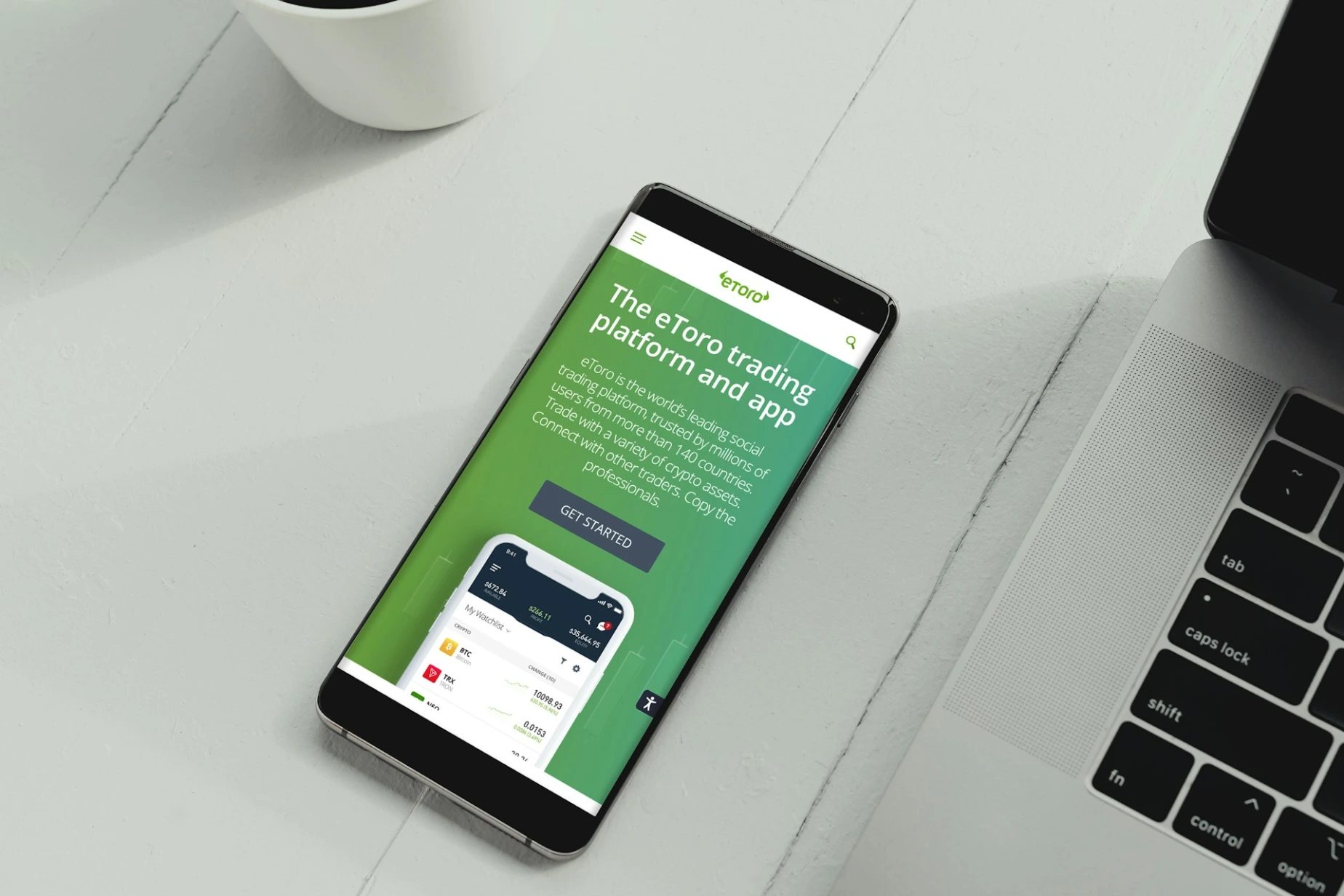
For many businesses, most traffic now comes from mobile devices.
Yet many websites still provide:
- slow mobile performance
- hard-to-read layouts
- broken spacing
- difficult navigation
- poor form experiences
Mobile users are less patient than desktop users.
If your mobile experience feels frustrating, users leave immediately.
A mobile-first website is no longer optional.
It is essential.
[IMAGE: Mobile-responsive website design shown across multiple devices]
Best image type: Responsive website mockup on phone, tablet, and desktop.
5. Your Website Might Not Be Tracking Leads Correctly
Many businesses do not actually know where their leads come from.
They rely on incomplete or inaccurate tracking because:
- GA4 is misconfigured
- conversion events are missing
- forms are not tracked properly
- attribution is broken
- CRM data is disconnected
This creates dangerous decision-making problems.
Businesses may:
- scale the wrong campaigns
- pause profitable channels
- misjudge ROI
- waste advertising budget
Reliable tracking infrastructure is now critical.
That includes:
- GA4
- Google Tag Manager
- server-side tracking
- CRM attribution
- conversion APIs
Without accurate data, optimization becomes guesswork.

6. Trust Signals Are Often Missing
Before users convert, they need confidence.
Most websites lack strong trust indicators such as:
- testimonials
- reviews
- case studies
- certifications
- recognizable clients
- guarantees
- transparent processes
Trust is especially important for:
- local services
- healthcare businesses
- agencies
- high-ticket offers
- B2B companies
Visitors ask themselves:
“Can I trust this company?”
Your website should answer that question clearly.

7. No Follow-Up System Means Lost Leads
Even when websites generate leads, many businesses fail to follow up effectively.
Slow responses dramatically reduce conversion rates.
Without:
- CRM automation
- email nurturing
- SMS follow-up
- lead routing
- appointment reminders
valuable leads often disappear.
Modern websites should connect directly into:
- CRM systems
- automation workflows
- lead qualification systems
The businesses growing fastest today are not just generating leads.
They are building systems that convert those leads efficiently.
Traffic Alone Is No Longer Enough
Many businesses believe growth problems are solved by buying more traffic.
But increasing traffic to a weak website only amplifies inefficiency.
The smarter strategy is:
- Fix the website
- Improve conversions
- Strengthen tracking
- Build automation
- Then scale traffic
This creates far better ROI and more sustainable growth.
What High-Performing Websites Do Differently
The best-performing websites are built around:
- speed
- clarity
- conversion psychology
- mobile-first UX
- analytics
- trust
- automation
- strategic messaging
They are designed to:
- reduce friction
- guide users clearly
- improve conversion rates
- support advertising performance
- generate measurable business outcomes
In other words:
They function like revenue systems — not digital brochures.
Final Thoughts
If your business is struggling with:
- inconsistent leads
- rising ad costs
- low conversion rates
- poor ROI
the issue may not be your marketing channels.
It may be the website itself.
In today’s environment, businesses cannot afford websites that:
- load slowly
- confuse visitors
- fail to build trust
- lack tracking
- ignore conversion optimization
Because every missed conversion represents lost revenue.
The businesses growing fastest are treating their websites as strategic growth assets — fully integrated with advertising, analytics, automation, and customer experience.
That is what modern digital growth requires.
Need Help Improving Website Conversions?
At Impact Brains, we help businesses build high-performance websites and growth systems through:
- web design & development
- Google Ads & Meta Ads
- GA4 & GTM tracking
- CRM automation
- landing page optimization
- SEO & analytics